

How much are dental implants in Philippines?. The average cost of a single dental implant in the Philippines generally ranges from about PHP 40,000 to PHP 130,000 or more per tooth (approximately $700 to $2,300 USD). This price often covers the implant post, abutment, and final crown restoration.
For more complex treatments—such as full-mouth implant restorations or cases requiring additional procedures like bone grafting or sinus lifts—the overall cost may range from around PHP 290,000 to over PHP 1,000,000, depending on the number of implants and the complexity of the treatment plan.
How Much Do Dental Implants Cost in the Philippines?
The total cost of dental implant treatment in the Philippines can vary depending on several factors, including the implant brand, the material used for the crown, the complexity of the case, and the experience of the dental clinic performing the procedure.
Single Tooth Implant (implant post, abutment, and crown)
For replacing one missing tooth, the full implant restoration generally ranges from PHP 40,000 to PHP 130,000 per tooth.
- Standard titanium implant systems: about PHP 40,000 – PHP 70,000
- Premium implant brands such as Dentium, Osstem, or Straumann: around PHP 80,000 – PHP 130,000 or more
These systems differ mainly in technology, durability, and long-term success rates.
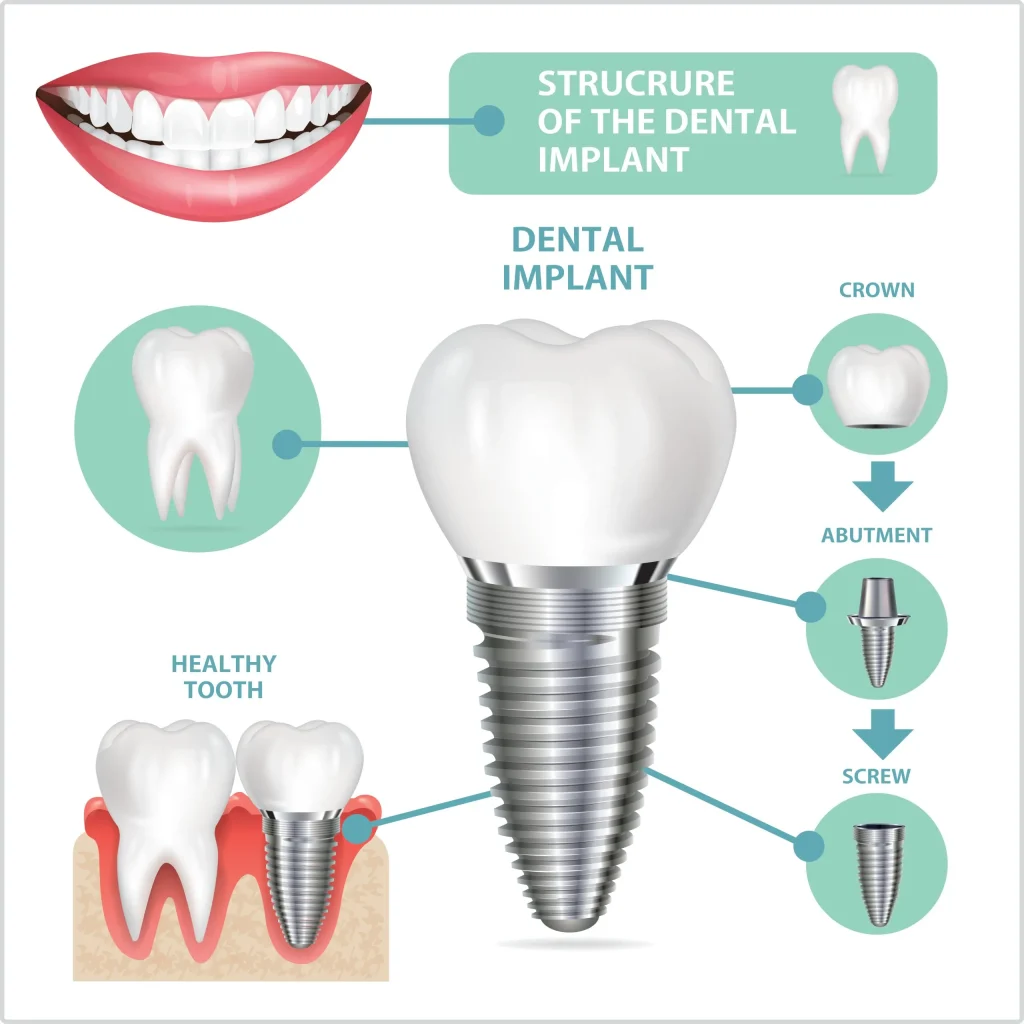
All-on-4 Dental Implant System
This treatment replaces a full arch of teeth using four strategically placed implants. It is commonly recommended for patients who have lost most or all teeth in one jaw.
Estimated cost: PHP 290,000 – PHP 500,000 or higher per arch.
All-on-6 Dental Implant System
Similar to All-on-4 but using six implants for additional support and stability. This option may provide stronger long-term support for full-arch restorations.
Estimated cost: PHP 330,000 – PHP 600,000 or more per arch.
Some patients may require preparatory procedures before implant placement:
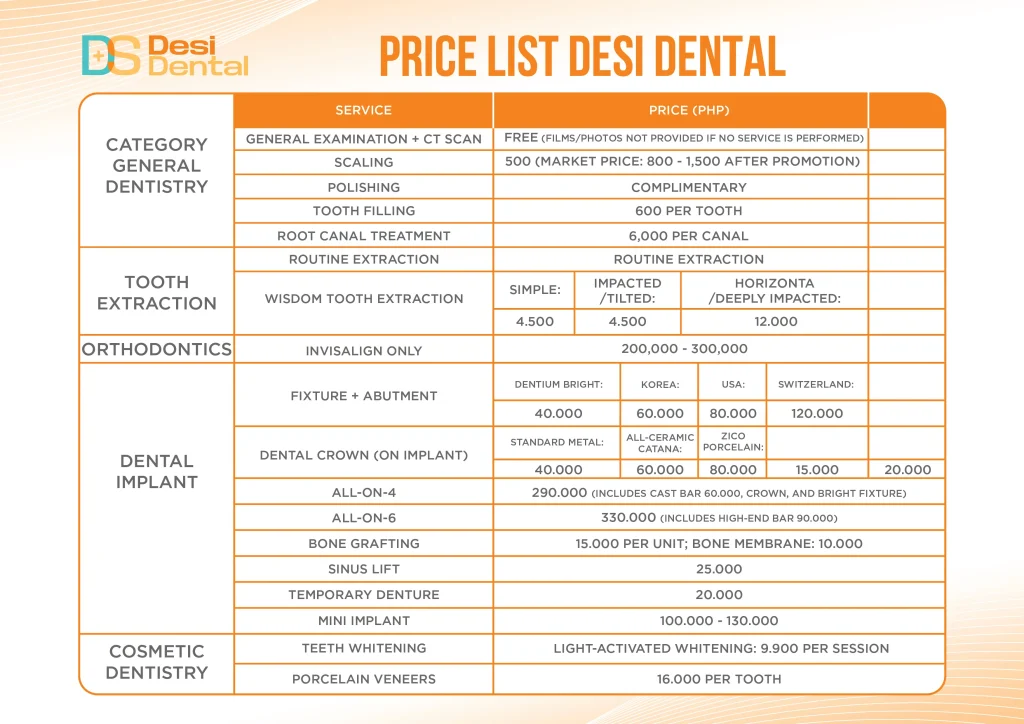
- Bone grafting: approximately PHP 15,000 per graft, with an additional membrane cost of about PHP 10,000 if needed.
- Sinus lift surgery: around PHP 25,000, commonly required for implants in the upper back jaw when bone height is insufficient.
- Mini dental implants: usually around PHP 100,000 – PHP 130,000, depending on the case.
In many clinics, the quoted implant price already includes the implant surgery, implant fixture, abutment, and final crown restoration. However, temporary teeth, imaging scans, or follow-up visits may be included in packages or billed separately depending on the clinic’s treatment plan.
Dental Implant Pricing at Desi Dental Clinic
Desi Dental Clinic, with branches in Quezon City and San Juan, offers transparent and competitive pricing for patients seeking high-quality dental implant treatments. The clinic provides several implant options using internationally recognized systems, allowing patients to choose according to their needs and budget.
Implant Fixture and Abutment Options
- Dentium Bright implant system: approximately PHP 40,000
- Korean implant system: around PHP 60,000
- U.S. implant system: about PHP 80,000
- Swiss implant system: around PHP 120,000
These implant systems differ in technology, manufacturing standards, and long-term durability, giving patients flexibility when planning their treatment.
Implant-Supported Crown Options
Once the implant integrates with the jawbone, a custom crown is placed to restore the missing tooth. Available crown options include:
- Standard metal crown: about PHP 40,000
- All-ceramic Catana crown: around PHP 60,000
- Zico porcelain crown: typically PHP 15,000 – PHP 20,000
Full-Arch Implant Solutions
For patients missing multiple teeth or an entire arch, Desi Dental offers implant-supported full-arch restoration packages:
- All-on-4 treatment: starting from approximately PHP 290,000, including the implant fixtures, prosthetic crown, and cast bar support system.
- All-on-6 treatment: starting from about PHP 330,000, including a high-quality support bar and premium components for enhanced stability.
Desi Dental uses imported implant systems and modern dental technology to ensure reliable outcomes for both single-tooth implants and full-arch restorations. The clinic also provides a complimentary general examination and CT scan during consultation. Diagnostic images are typically included when treatment proceeds, helping patients reduce initial diagnostic costs while receiving accurate treatment planning.
Factors That Can Affect the Cost of Dental Implants
The total price of dental implant treatment can vary depending on several clinical and technical factors. Understanding these elements can help patients better estimate the overall investment required for restoring missing teeth.
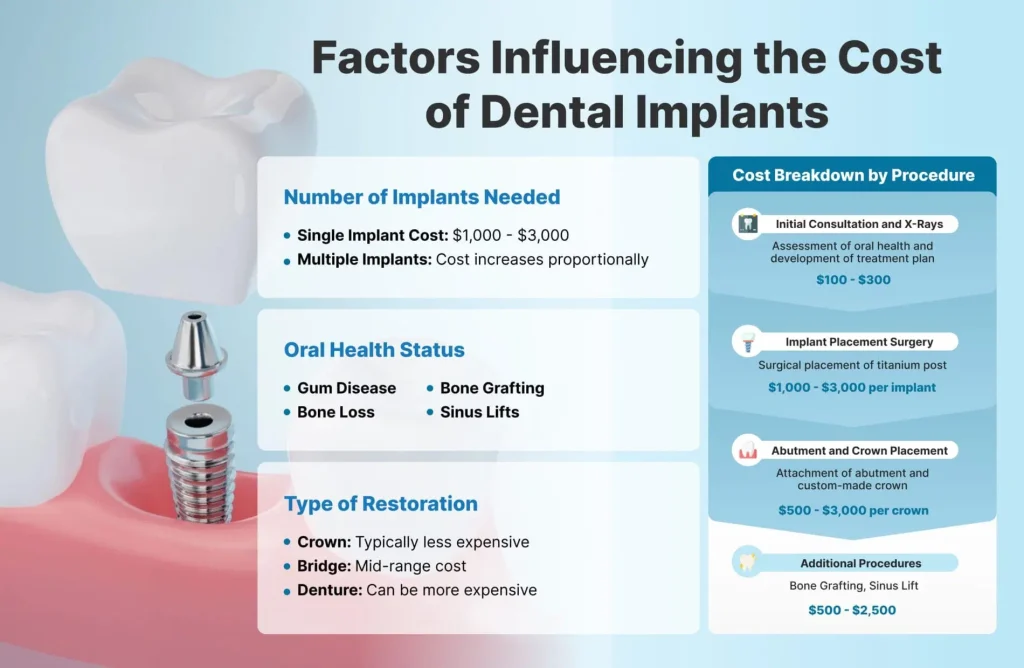
- Implant system and materials used: Dental implants are manufactured by different companies around the world. Premium systems from countries such as Switzerland or the United States are often priced higher due to advanced technology and long-term research. More affordable yet reliable options, including Korean implant systems, are also widely used in many dental clinics.
- Type of crown placed on the implant: The material used for the final crown restoration can also influence the total cost. Crowns made from metal-based materials, porcelain, all-ceramic, or zirconia differ in appearance, strength, and longevity, which affects pricing.
- Jawbone condition and additional procedures: If the jawbone does not have enough density or volume to support an implant, additional treatments may be required. Procedures such as bone grafting or sinus lift surgery can increase the overall treatment cost, often adding around PHP 15,000 to PHP 25,000 or more, depending on the complexity.
- Number of implants required: The total number of implants needed will naturally impact the final price. For patients replacing many or all teeth, treatment plans such as All-on-4 or All-on-6 often come with package pricing, which may reduce the cost compared with placing individual implants.
- Experience of the dental clinic and specialists: Dental clinics with experienced implant specialists, modern diagnostic tools, and advanced treatment planning systems may charge higher fees. However, these factors often contribute to higher success rates and more predictable results, making them an important consideration when choosing where to receive treatment.
The Dental Implant Treatment Process
Receiving a dental implant typically involves several stages and may take around three to six months to complete. The timeline allows the implant to properly integrate with the jawbone, ensuring long-term stability and function.
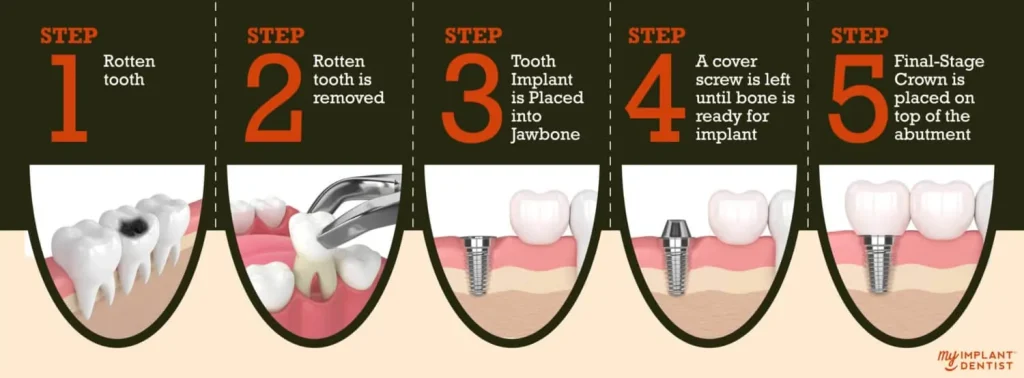
- Initial consultation and imaging: The process begins with a dental evaluation and diagnostic imaging, often including a 3D CT scan to assess bone structure and plan the implant placement accurately. Some clinics, such as Desi Dental, may provide this consultation and scan at no additional cost.
- Implant placement surgery: During the surgical stage, a small titanium implant post is inserted into the jawbone where the missing tooth once was. This implant acts as an artificial tooth root and forms the foundation for the final restoration.
- Healing and bone integration: After surgery, the implant needs time to fuse naturally with the surrounding bone through a process called osseointegration. This healing period usually lasts three to six months, allowing the implant to become securely anchored.
- Abutment and crown restoration: Once the implant has successfully integrated with the bone, a connector piece called an abutment is attached. A custom-made dental crown is then placed on top, restoring the appearance and function of the missing tooth.
- Final checks and adjustments: Follow-up visits ensure the implant, crown, and surrounding tissues remain healthy. Dentists may perform minor adjustments to ensure the bite feels comfortable and natural.
Thanks to modern dental techniques, implant procedures are generally comfortable and minimally invasive, typically performed under local anesthesia or optional sedation to help patients feel relaxed during treatment.
Why Many Patients Choose Dental Implants
Dental implants are widely regarded as one of the most reliable solutions for replacing missing teeth. They offer several long-term advantages that make them a preferred option in modern dentistry.
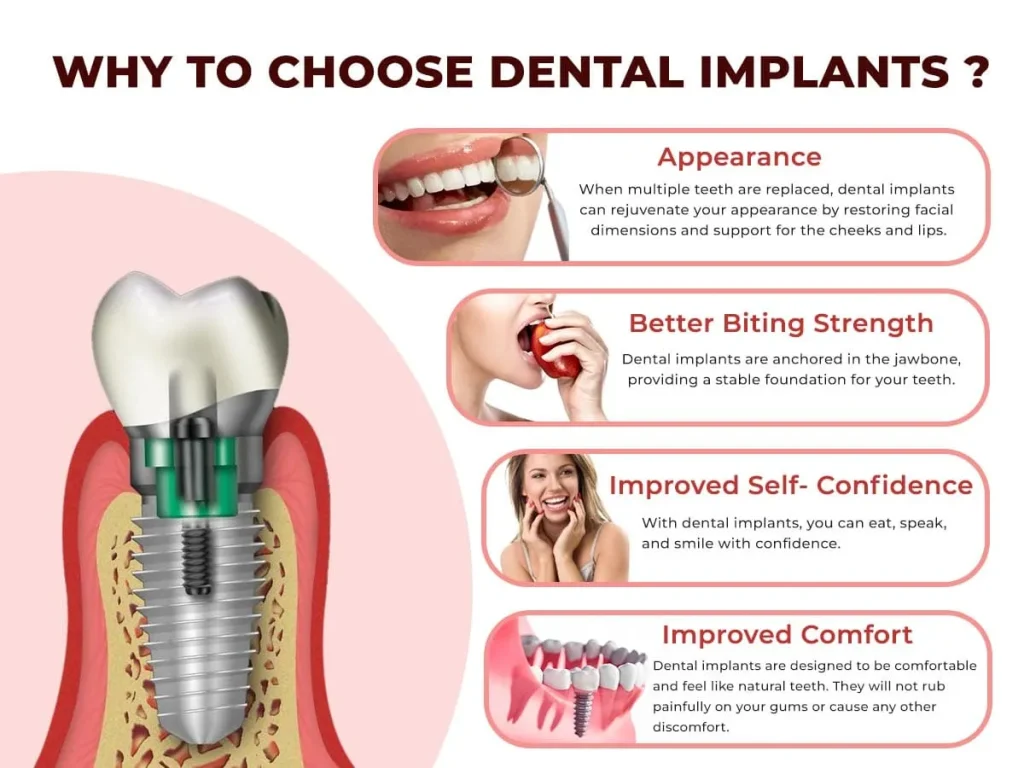
- Natural appearance and function: Implants are designed to closely resemble real teeth in both look and performance. Once restored with a crown, they allow patients to chew, speak, and smile comfortably.
- Helps maintain jawbone health: Because the implant post is placed into the jawbone, it helps stimulate the bone in a similar way to a natural tooth root. This support can reduce the risk of bone loss that often occurs after a tooth is missing.
- Long-lasting solution: With proper oral hygiene and regular dental check-ups, dental implants can remain functional for 15 to 25 years or even longer, making them a durable investment in oral health.
- Preserves neighboring teeth: Unlike traditional dental bridges, implants do not require reshaping or grinding down the adjacent healthy teeth for support. This helps maintain the natural structure of surrounding teeth.
Frequently Asked Questions (FAQs)
How much does a single dental implant cost in the Philippines?
The price of a single dental implant usually ranges from PHP 40,000 to PHP 130,000 per tooth, depending on the implant system, crown material, and the clinic providing the treatment. At some clinics that offer premium implant systems and advanced technology—such as Desi Dental—the cost may start at around PHP 80,000 to PHP 120,000, typically including the implant post, abutment, and crown.
Are dental implants worth the investment?
Many dental professionals consider implants one of the most effective long-term solutions for replacing missing teeth. They restore chewing ability, look natural, and help maintain jawbone health. Because of their durability and stability, implants can be a worthwhile option compared with traditional bridges or removable dentures.
Dental implant procedures are generally well tolerated. Dentists perform the surgery under local anesthesia, which keeps the area numb during treatment. After the procedure, mild soreness or swelling may occur for a few days, but these symptoms are usually manageable with medication and proper aftercare.
Dental implants in the Philippines are often significantly more affordable than in countries such as the United States, Australia, or many parts of Europe, while still offering high-quality dental care at reputable clinics. Choosing an experienced dental provider with transparent pricing and modern equipment can help ensure safe and predictable results.


