

Dental implants before and after transformations often showcase one of the most dramatic improvements in modern dentistry. Patients who once dealt with missing teeth, loose dentures, gaps affecting their smile, or difficulty eating frequently report renewed confidence, better function, and a natural-looking appearance after treatment.
This guide explores real-world results, the typical journey, what to realistically expect, and why these changes happen—helping you decide if implants could be right for you.
What Are Dental Implants?
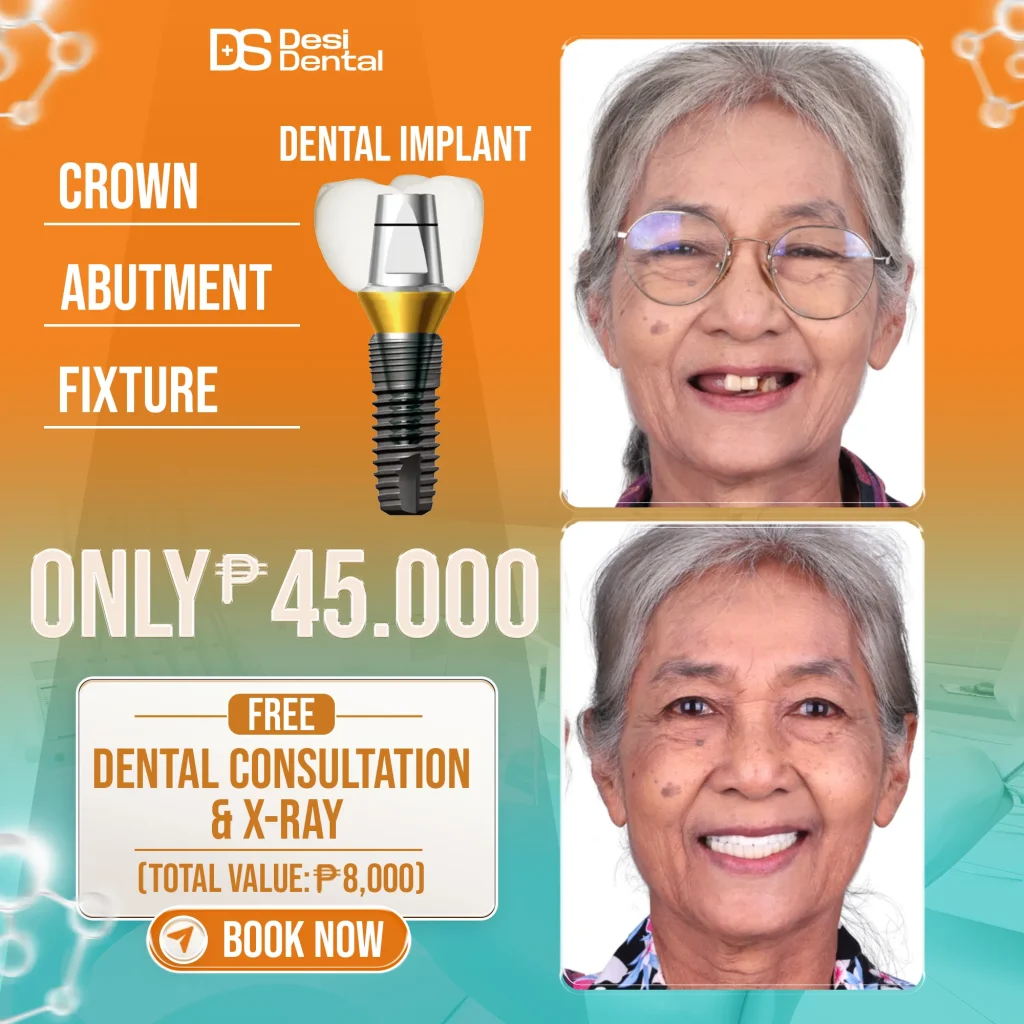
Dental implants are small, biocompatible titanium fixtures placed into the jawbone to replace missing tooth roots. Once positioned, the surrounding bone gradually bonds with the implant surface through a natural healing process known as osseointegration. This integration creates a strong, stable base capable of supporting a replacement tooth.
An implant restoration typically consists of three components:
- The implant post, which anchors into the jawbone
- An abutment, which connects the post to the visible restoration
- A custom-made crown, bridge, or denture, designed to restore appearance and function
The Dental Implant Process
Knowing how the implant process works can help you understand why the final outcome often looks and feels so natural. While timelines vary, treatment commonly takes several months — especially if additional procedures are required to prepare the jawbone.
1. Comprehensive Evaluation and Digital Planning
The process begins with a detailed assessment. Your dentist or oral surgeon will review your medical history, examine your teeth and gums, and use advanced imaging — such as 3D CBCT scans — to measure bone volume and map out precise implant placement. Careful planning at this stage is essential for long-term stability and safety.
2. Preparatory Treatment (If Necessary)
If a damaged tooth is still present, it may need to be removed. In cases where bone has thinned due to prolonged tooth loss, bone grafting may be recommended to create a stronger foundation for the implant.
3. Surgical Placement of the Implant
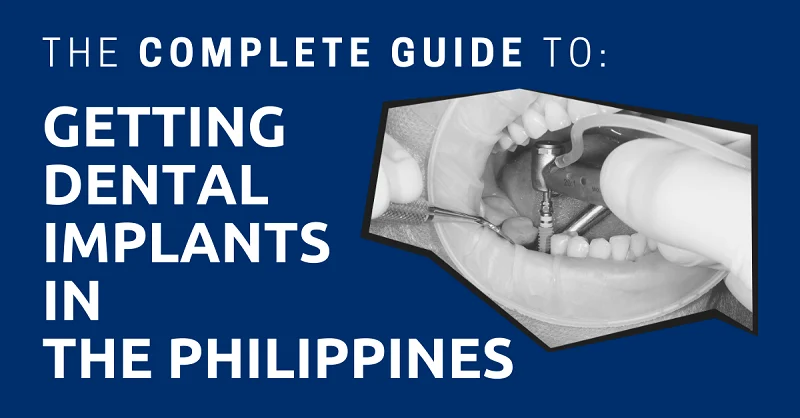
During a minor surgical procedure, typically performed under local anesthesia (with sedation available if needed), a titanium implant post is inserted into the jawbone. The gum tissue is then closed to allow healing. Most patients experience mild swelling or soreness for a few days, which can usually be managed with standard pain relief and basic aftercare.
4. Healing and Bone Integration
Over the next three to six months, the implant gradually fuses with the surrounding bone in a biological process called osseointegration. This step is crucial because it provides the strength and durability that distinguish implants from removable dentures.
5. Placement of the Final Restoration
Once healing is complete, a connector (abutment) is secured to the implant. Impressions or digital scans are taken to create a custom-made crown, bridge, or full-arch prosthesis. The final restoration is carefully designed to match your natural teeth in shade, contour, and function.
By the end of the process, patients often regain the ability to chew comfortably, speak clearly, and smile with confidence — making the gradual treatment timeline worthwhile for many individuals seeking a long-term solution.
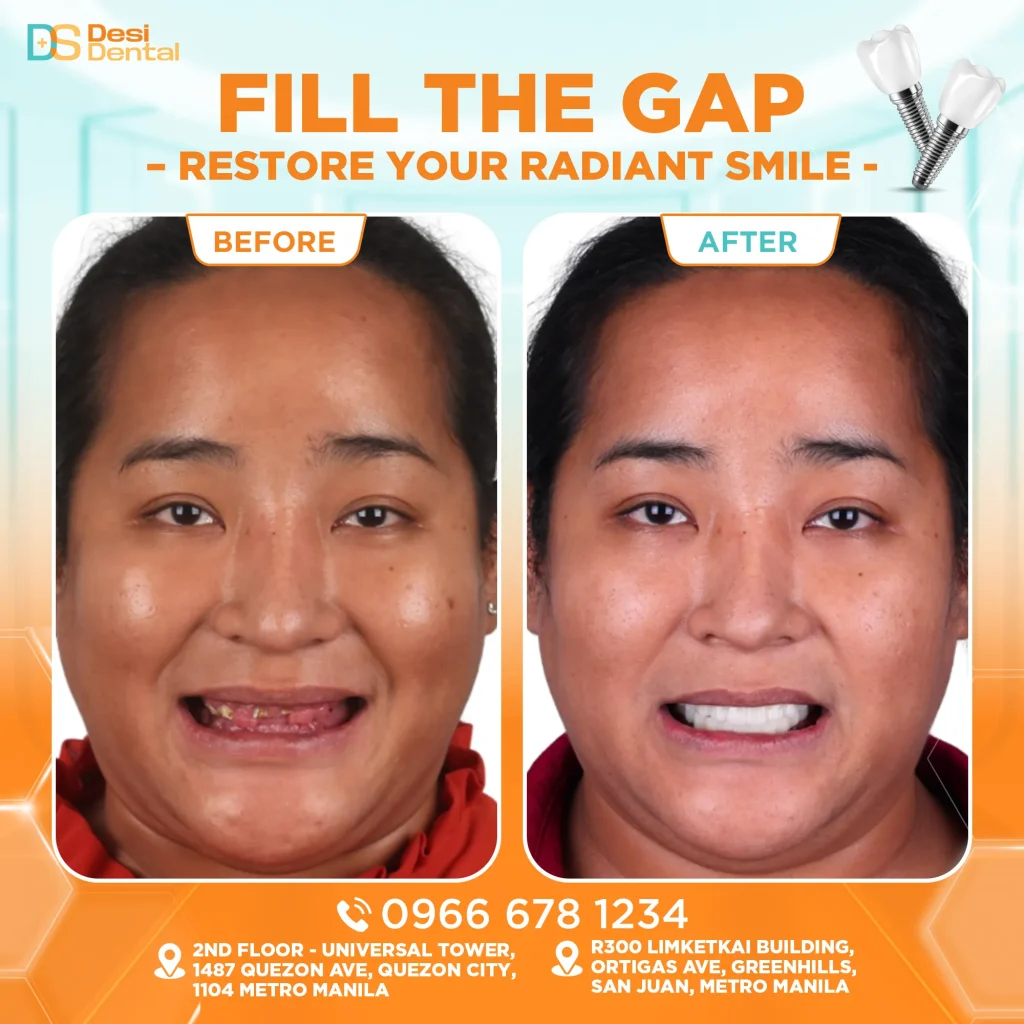
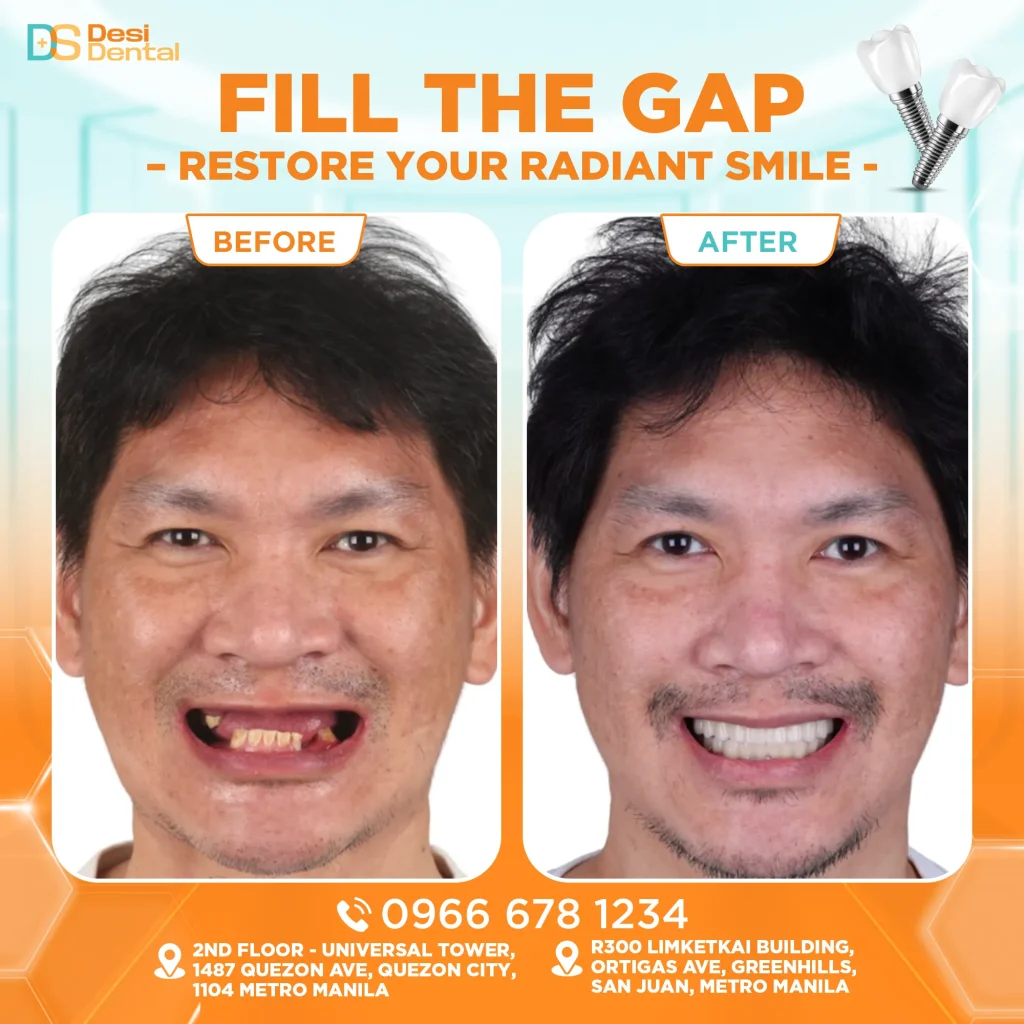
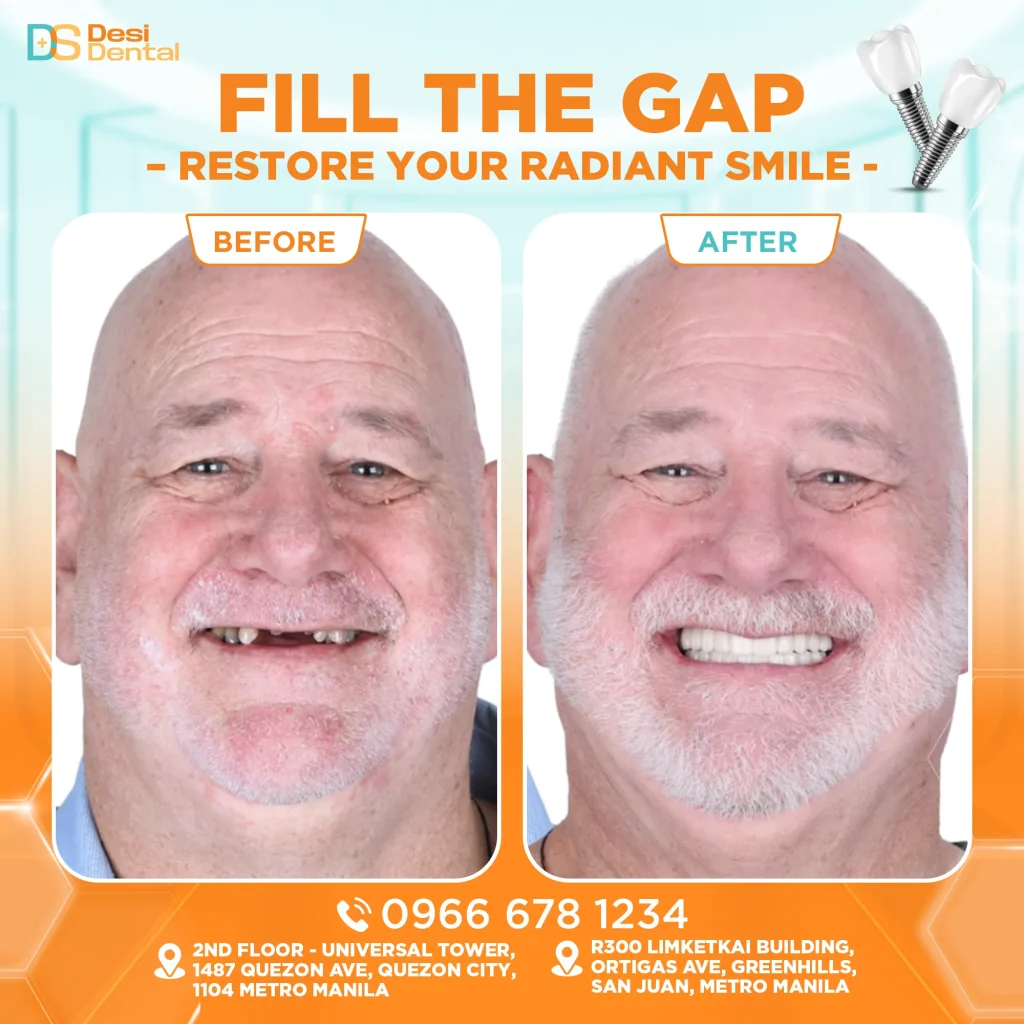
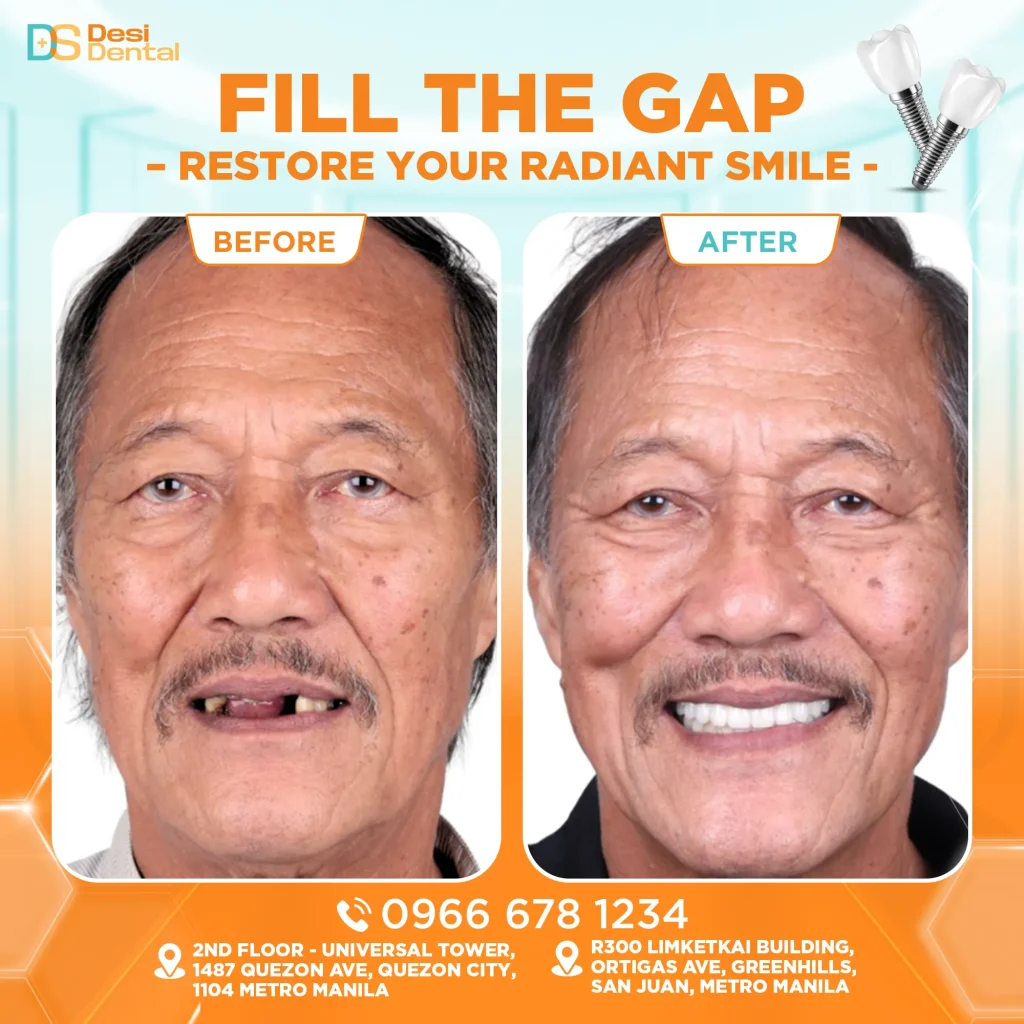
Dental Implants Before and After: What Real Changes Look Like
Looking at before-and-after outcomes can help patients visualize what dental implants truly change — not just cosmetically, but functionally and structurally.
Common Concerns Before Treatment
Individuals with missing teeth often experience more than just visible gaps. Typical issues may include:
- Noticeable spaces that affect smile balance
- A sunken or aged facial appearance due to gradual bone shrinkage
- Difficulty biting into firm or chewy foods
- Teeth drifting out of alignment or dentures that move unexpectedly
- Reduced confidence in conversations, photos, or professional settings
Improvements After Implant Treatment
Once the implant process is complete, many patients report significant changes, such as:
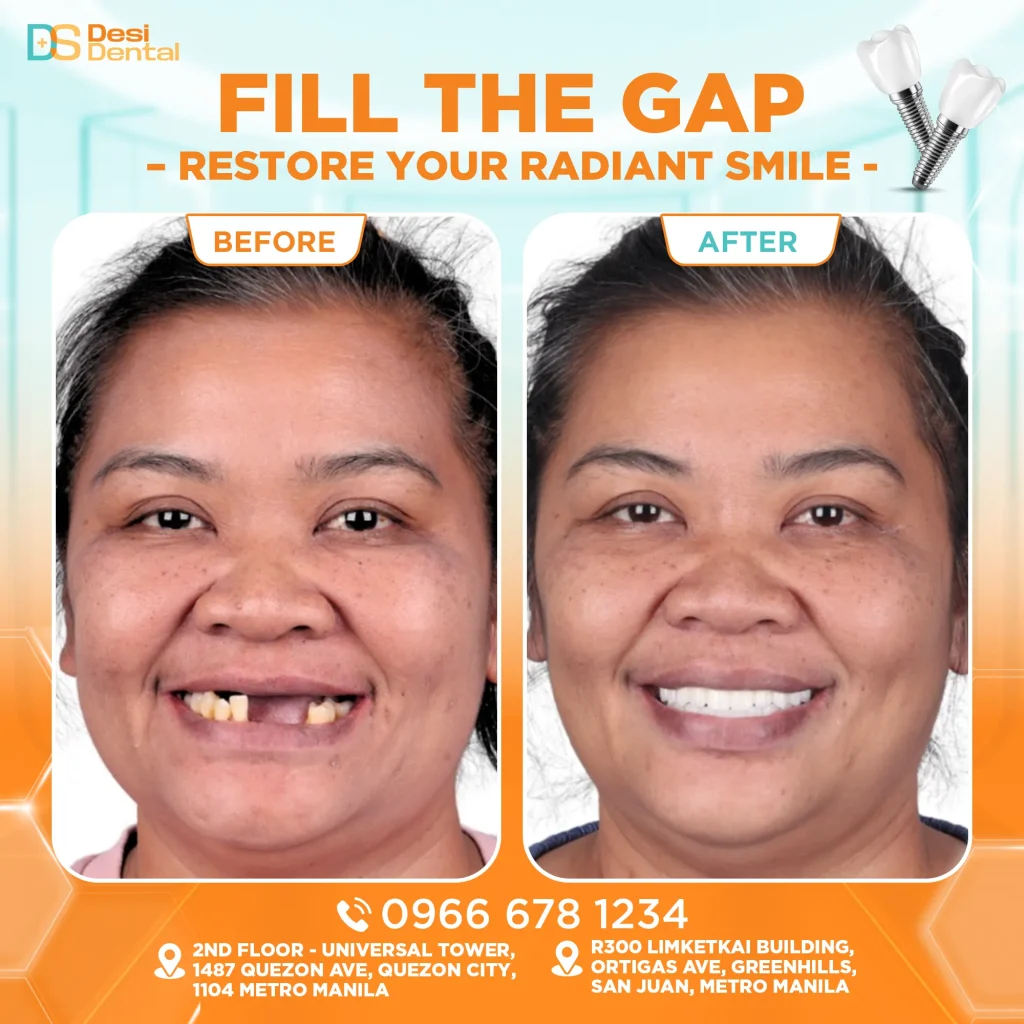
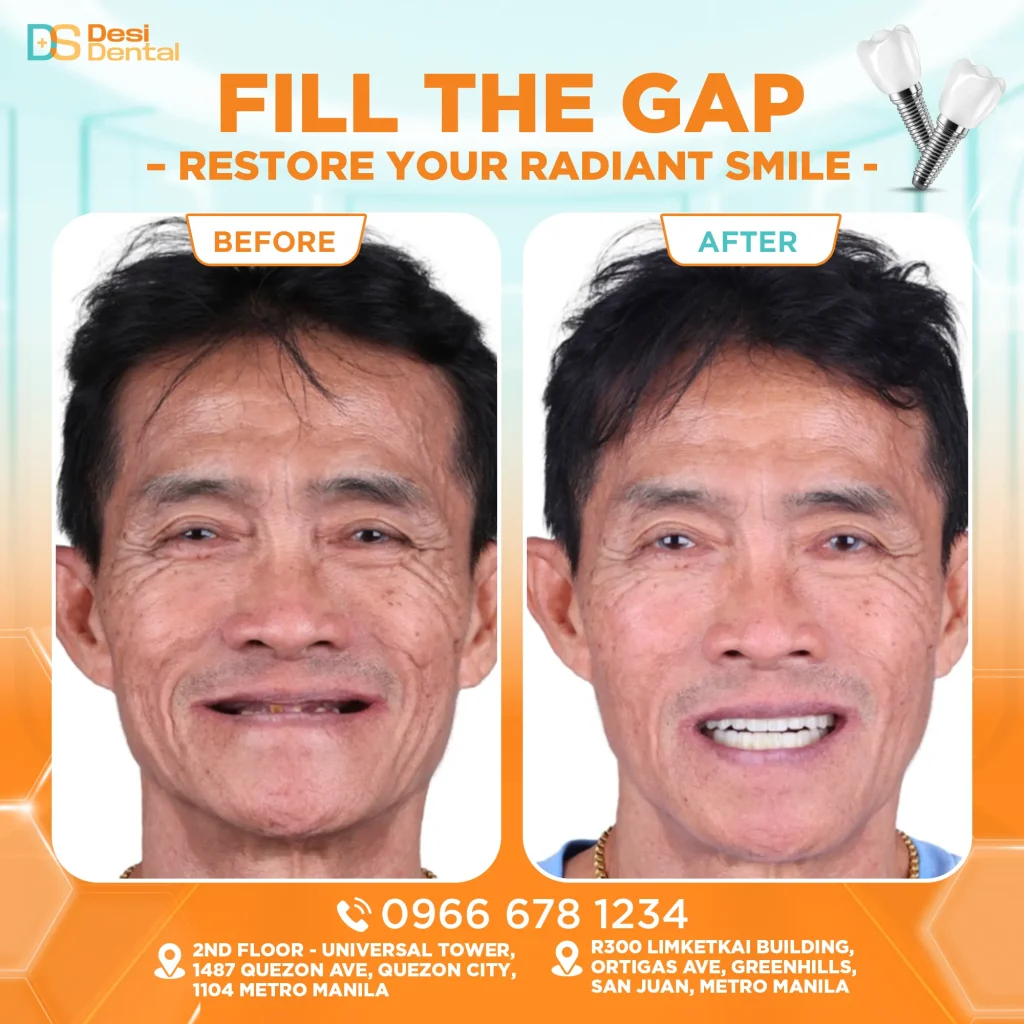
- A complete, natural-looking smile that blends seamlessly with existing teeth
- Improved facial structure and support, contributing to a healthier, more youthful profile
- Stronger chewing ability, allowing a return to a varied diet that includes tougher foods
- Elimination of denture adhesives, nighttime removal routines, or speech instability
- Renewed confidence in social interactions and workplace environments
Dental implants before and after pictures


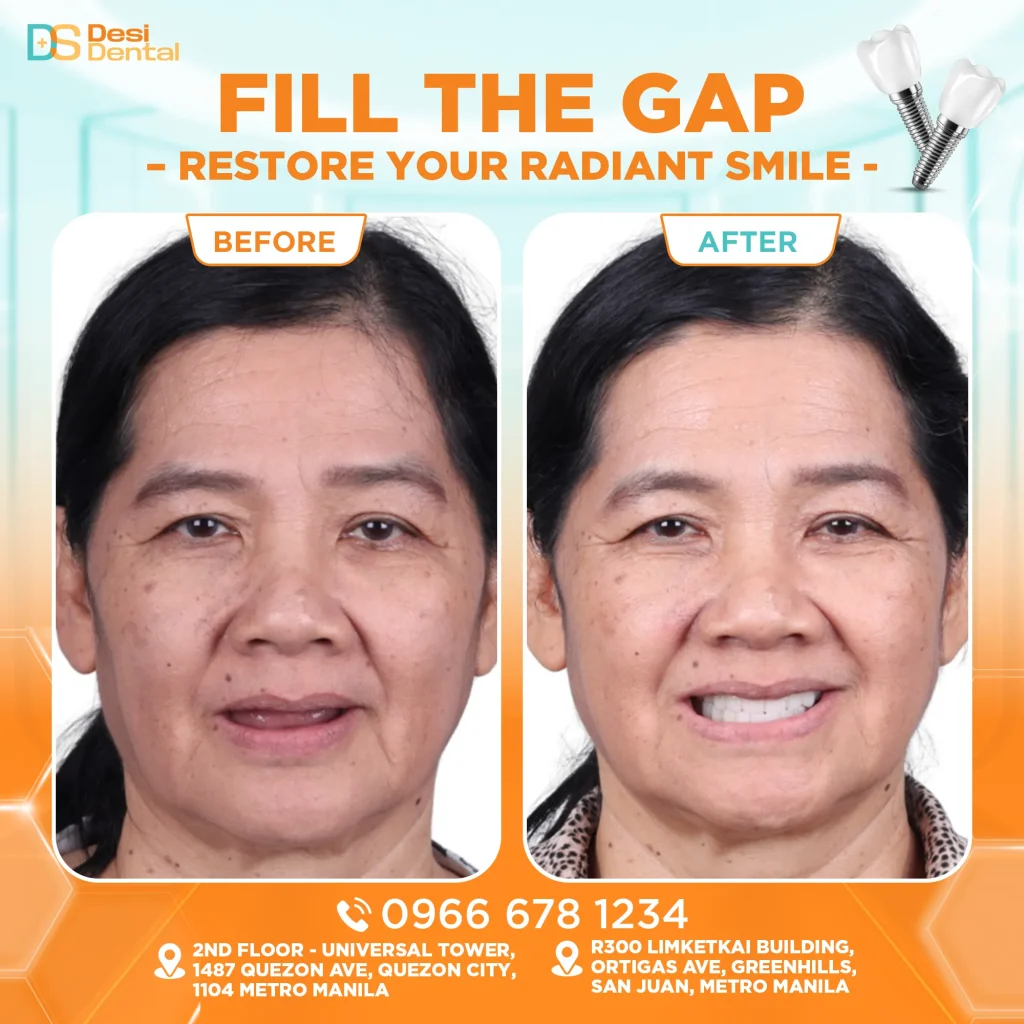
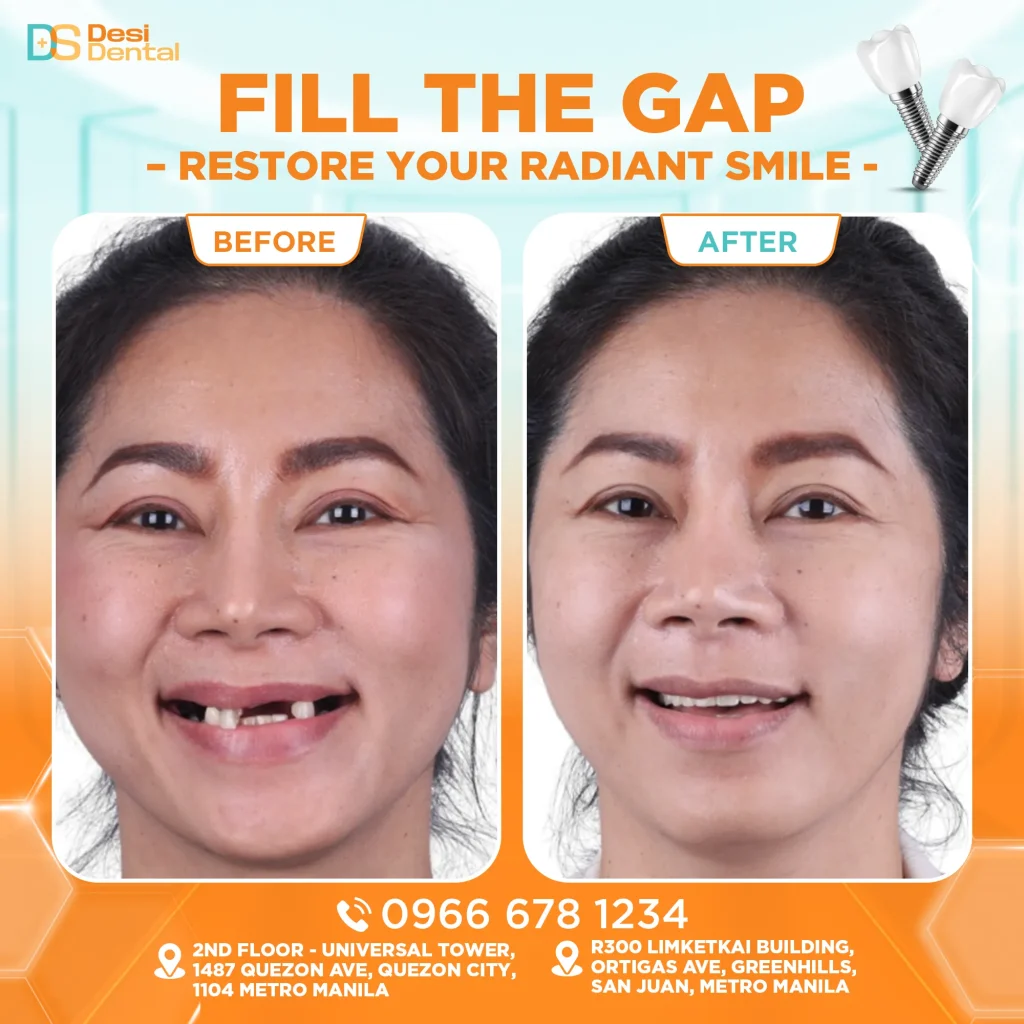
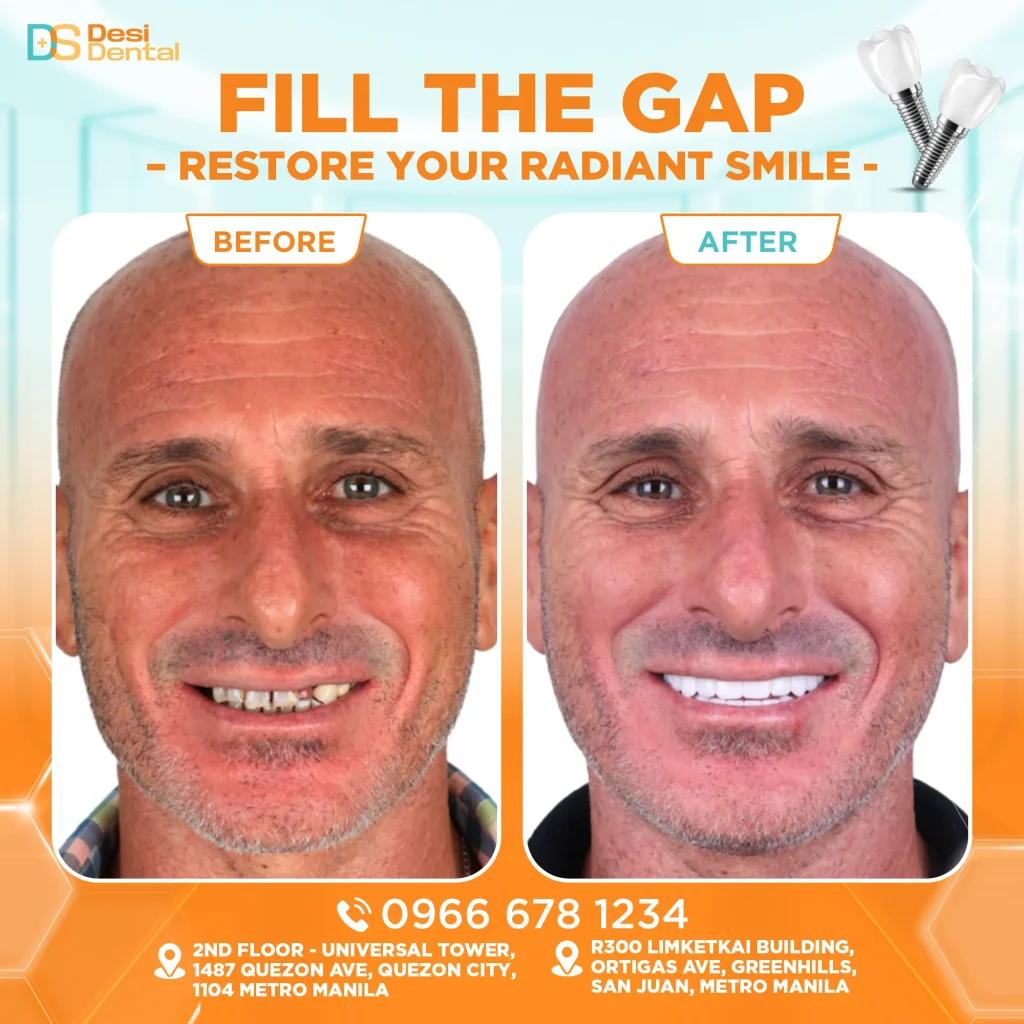
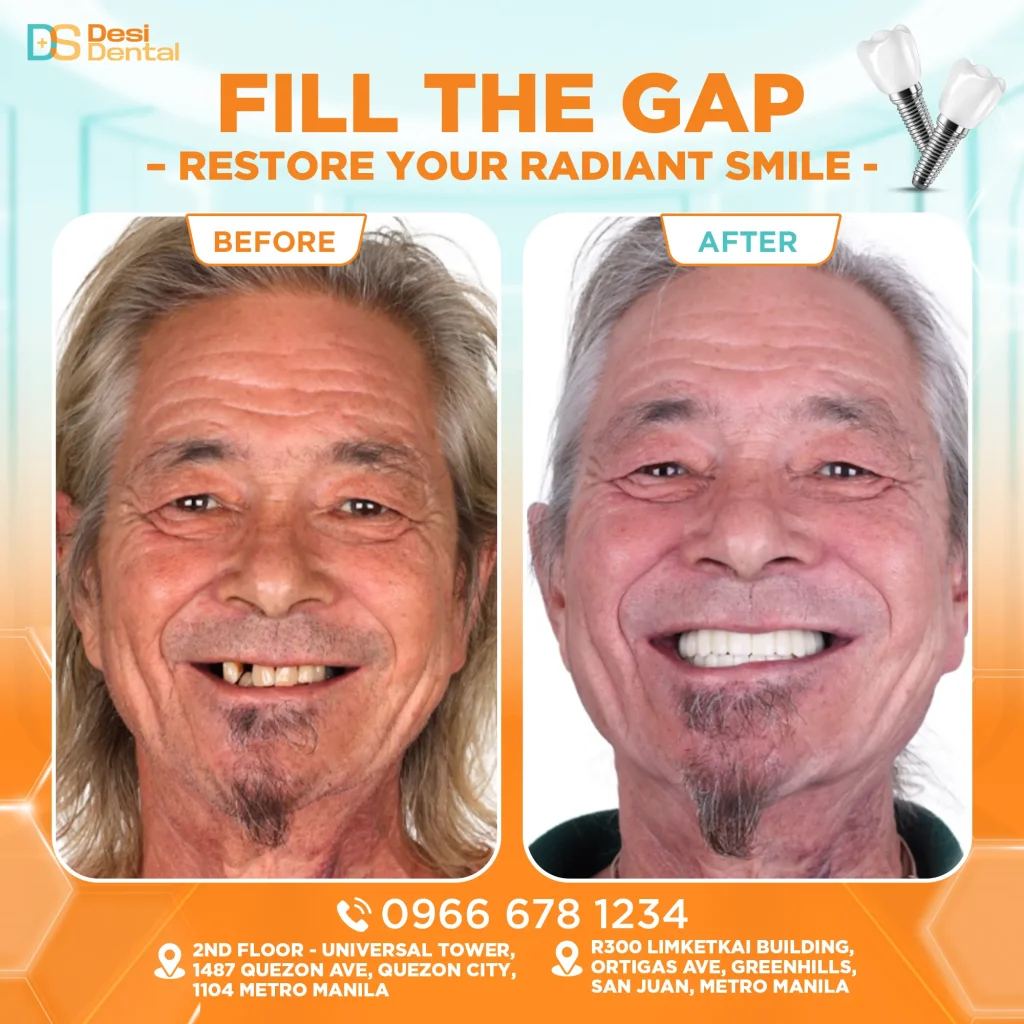
Factors That Influence Your Before and After Results
While dental implants have high success rates, the final outcome depends on several individual factors. Understanding these variables helps set realistic expectations and supports better long-term results.
Bone Condition
The strength and volume of your jawbone play a key role in implant stability. When sufficient bone is present, healing tends to be more predictable. If bone loss has occurred, additional procedures such as grafting may improve the foundation before implant placement.
General Health and Lifestyle
Overall health can influence how efficiently your body heals. Conditions such as uncontrolled diabetes or habits like smoking may slow recovery and increase risks, though they do not automatically rule out treatment. A thorough medical evaluation helps determine suitability.
Experience of the Dental Professional
The training and expertise of the clinician matter. Specialists with advanced education in implant dentistry or prosthodontics often achieve highly refined aesthetic outcomes and long-term durability. In well-planned cases, reported success rates are very high.
Ongoing Maintenance
Long-term success does not end after placement. Consistent oral hygiene, routine dental visits, and avoiding habits that place excessive force on teeth (such as chewing ice or grinding) help protect both the implant and surrounding tissues.
It’s important to remember that every patient’s anatomy and healing response are unique. Before-and-after photos can illustrate potential improvements, but individual outcomes will vary. That said, many patients report meaningful improvements in comfort, function, and confidence following treatment.
Are Dental Implants Worth It?
For people who feel frustrated with short-term solutions such as removable dentures or traditional bridges, dental implants may offer a more lasting alternative. Designed to function like natural tooth roots, implants can remain stable for decades when properly maintained. In addition to restoring chewing ability, they help preserve jawbone structure — which plays an important role in maintaining facial shape over time.
It’s true that implant treatment requires a greater initial commitment in both cost and time. The process involves careful planning, surgical placement, and a healing phase before the final restoration is attached. However, many patients find that the long-term advantages — including improved comfort, stronger bite function, and a natural-looking smile — outweigh these early considerations.


