

A dental implant crown is widely considered one of the most effective ways to replace a missing tooth while preserving both function and appearance. Instead of relying on neighboring teeth like traditional bridges or removable dentures, this solution uses a titanium implant placed in the jawbone to act as an artificial root, with a custom crown attached on top to replicate the visible tooth.
If you’re exploring implant crown treatment, it’s important to understand how the procedure works, what benefits it provides, and how to care for it after placement. This guide walks you through the key details — from the treatment process to long-term maintenance.
What is an Implant Crown?
An implant crown is the visible replacement tooth that sits on top of a dental implant. It is carefully designed to match the shape, size, and color of your natural teeth, allowing the restored tooth to blend naturally with the rest of your smile.
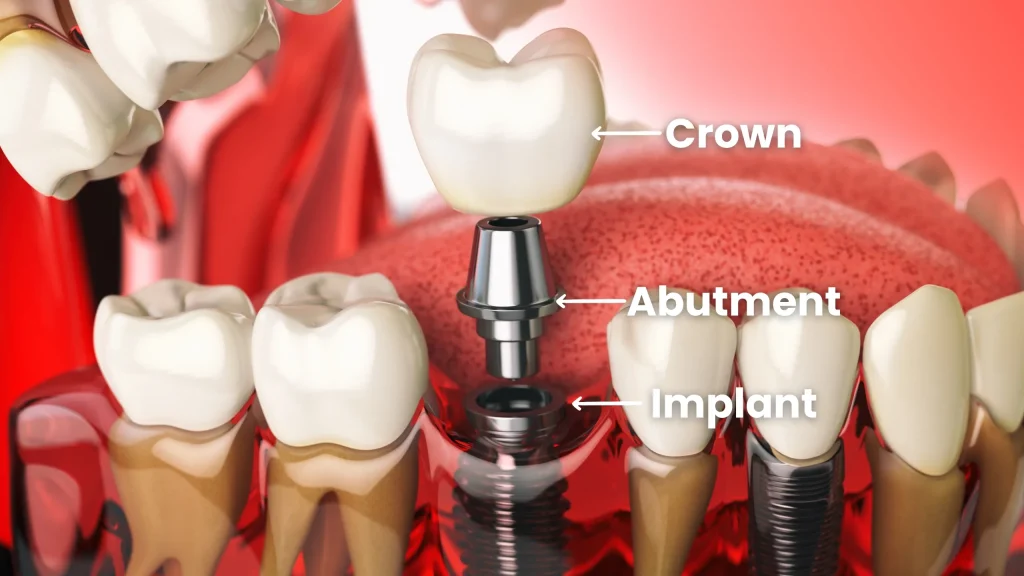
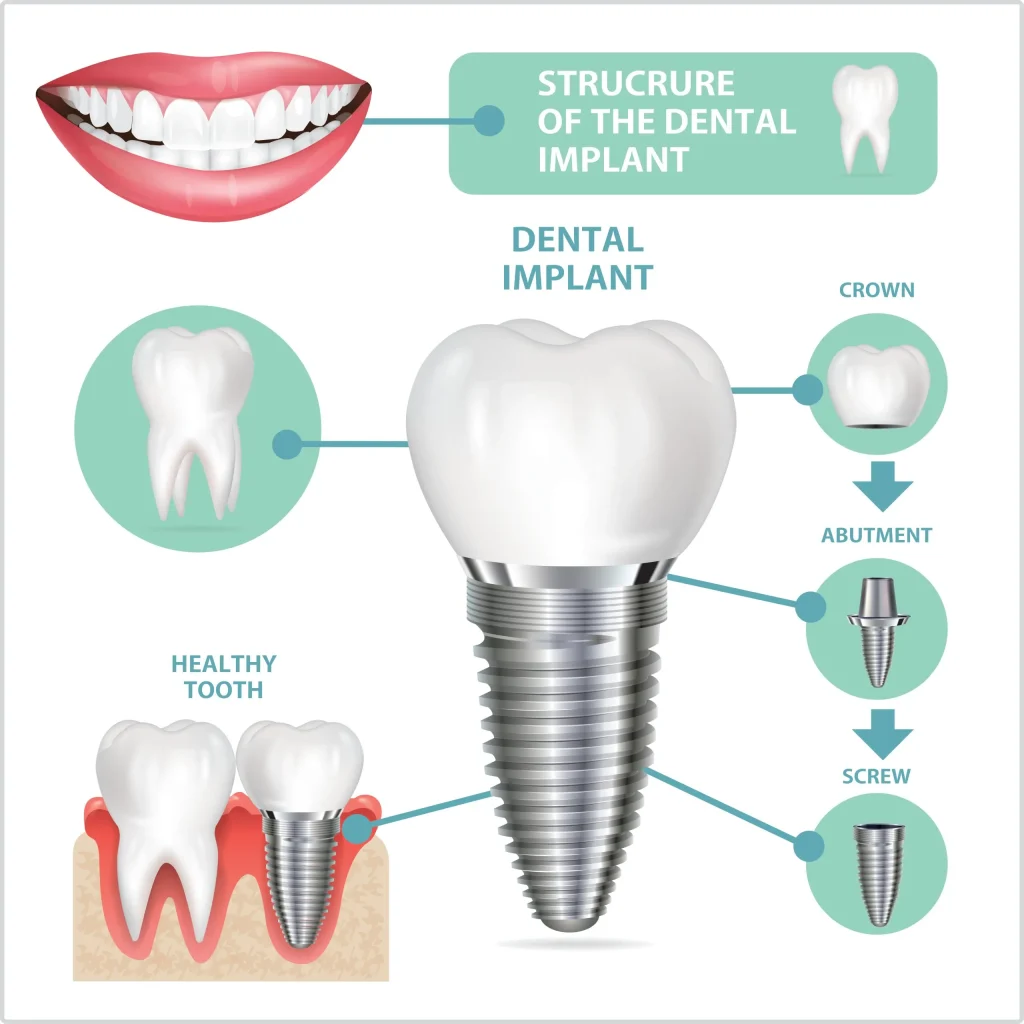
A complete dental implant restoration typically includes three main components:
- Dental implant: a small titanium screw placed into the jawbone, functioning as an artificial tooth root.
- Abutment: a connector that links the implant fixture to the crown.
- Crown: the final tooth-shaped restoration, usually made from porcelain or ceramic materials for a natural appearance.
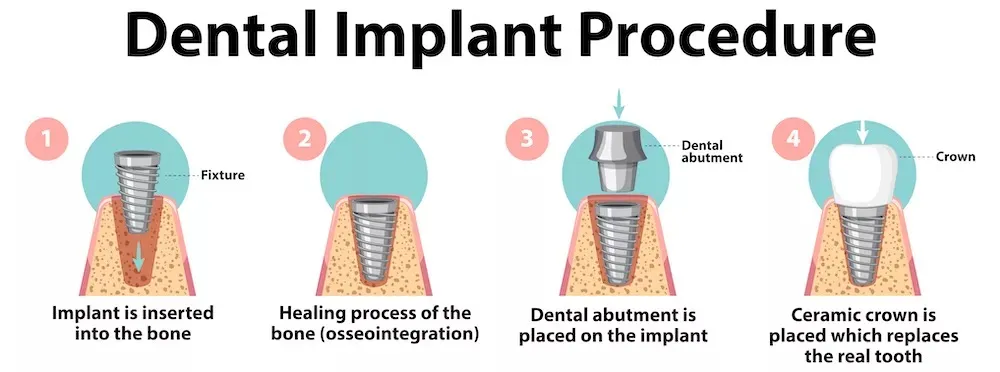
After the implant is inserted into the jaw, the bone gradually bonds with the titanium post through a biological process known as osseointegration. Once this integration is stable, the abutment and crown are attached. The finished restoration acts like an independent tooth, meaning it does not depend on surrounding teeth for support.
The Implant Crown Treatment Process
Replacing a tooth with an implant crown is usually completed over several stages and may take about three to six months, depending on how quickly the bone heals and whether additional procedures, such as bone grafting, are required.
1. Examination and Treatment Planning
The process begins with a detailed dental assessment. Your dentist may use 3D imaging, digital scans, or X-rays to evaluate bone structure, gum health, and the position of nearby teeth. Based on this information, a customized treatment plan is created to ensure the implant is placed safely and effectively.
2. Implant Placement Surgery
During the surgical appointment, a titanium implant post is inserted into the jawbone under local anesthesia. The procedure is typically straightforward, and most patients experience only mild discomfort afterward.
3. Healing and Bone Integration
After placement, the implant requires time to bond with the surrounding bone — a natural process called osseointegration. This healing phase generally lasts a few months. During this period, the dentist may place a healing cap or temporary restoration to protect the area.
4. Abutment Installation
Once the implant has fully stabilized in the bone, a small connector known as an abutment is attached. This component serves as the base that will support the final crown.
5. Creating and Attaching the Crown
Your dentist then takes digital scans or impressions of your teeth to design a crown that matches your bite and natural tooth color. After fabrication, the crown is carefully adjusted and secured onto the abutment to complete the restoration.
With the help of modern digital dentistry technologies such as CAD/CAM, today’s implant crowns can be designed with highly accurate fit and natural aesthetics.
Key Benefits of an Implant Crown
Many patients opt for implant crowns because they offer practical, long-term benefits that go beyond simply filling a gap in the smile.
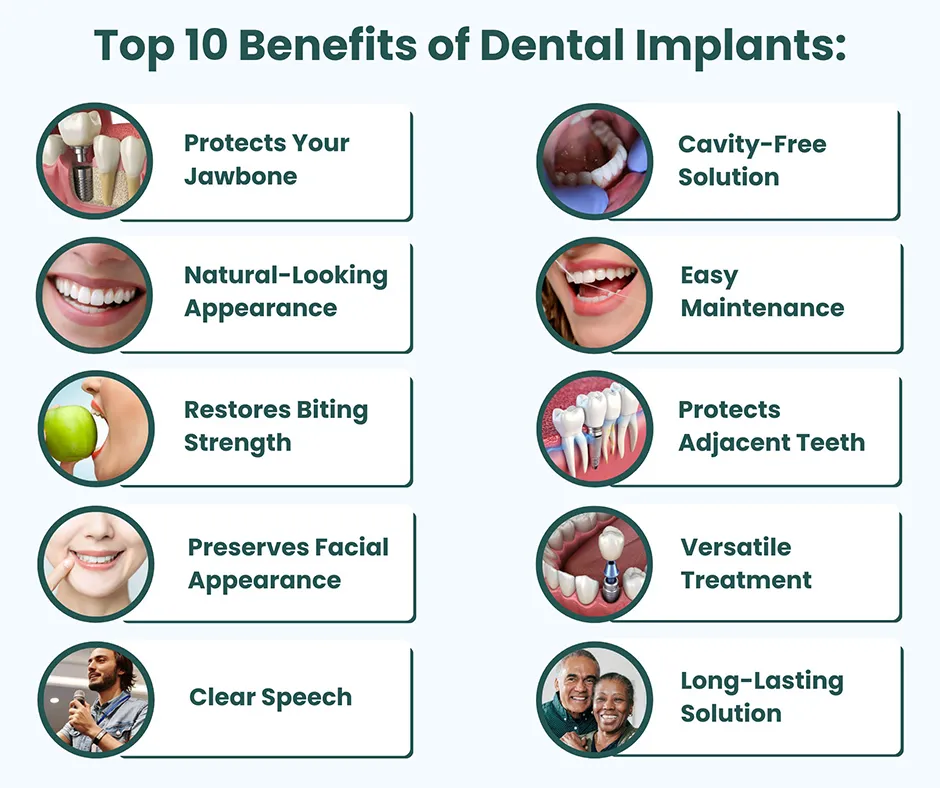
- Natural look and comfortable feel: Implant crowns are individually designed to match the color, contour, and size of surrounding teeth. This customization allows the restoration to blend naturally, making it difficult to distinguish from real teeth.
- Helps maintain jawbone health: When a tooth is lost, the underlying bone can gradually shrink due to lack of stimulation. A dental implant functions like a tooth root, helping maintain bone density and supporting the structure of the jaw.
- Protects nearby teeth: Unlike traditional bridges that may require reshaping adjacent teeth, implant crowns stand independently. This means neighboring healthy teeth remain untouched.
- Reliable everyday function: Because the implant is anchored directly into the jawbone, the crown provides strong stability. Patients can chew, speak, and smile comfortably without concerns about movement or slipping.
- Designed for long-term performance: Dental implants have demonstrated high long-term success rates, and with consistent oral care, the restoration can remain functional for many years. The crown component may also last well over a decade before needing replacement.
Types of Implant Crown Materials
Implant crowns can be made from several different materials, and each type offers its own balance of strength, appearance, and cost. The right choice often depends on the location of the tooth, the pressure from your bite, and your personal preferences.
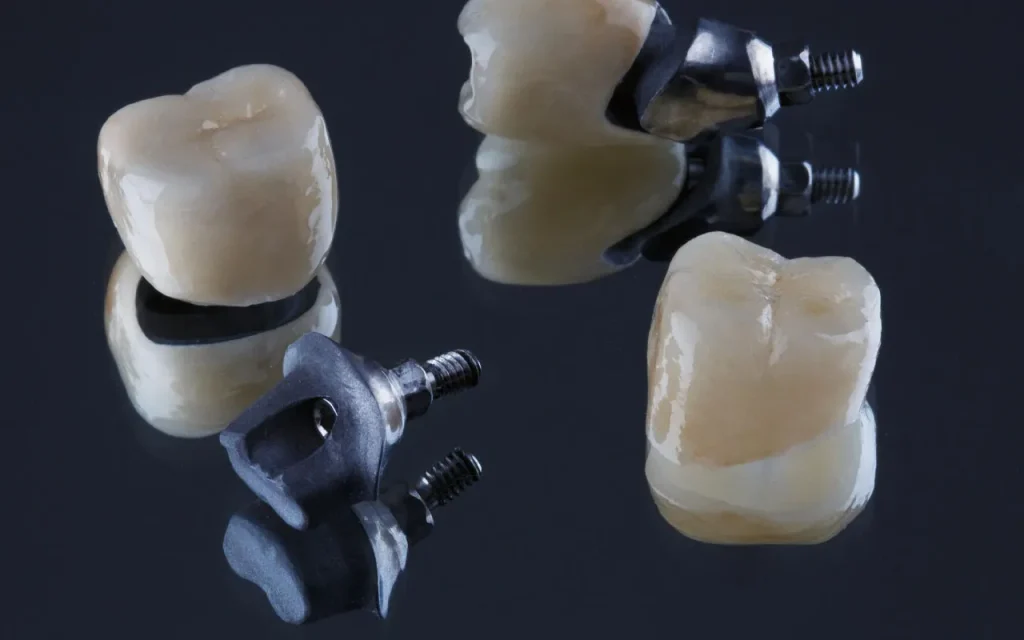
- Zirconia Crowns: Zirconia is a modern ceramic material known for its exceptional durability. It is completely metal-free and highly compatible with the body, making it a popular option for patients who want both strength and a natural look. Because of its resistance to wear and fracture, zirconia is frequently recommended for molars and other back teeth that handle stronger chewing forces.
- All-Ceramic (Porcelain) Crowns: Porcelain crowns are valued for their excellent translucency and lifelike color, closely mimicking natural enamel. For this reason, dentists often suggest them for front teeth, where appearance plays a major role in the overall smile.
- Porcelain-Fused-to-Metal (PFM) Crowns: PFM crowns combine a metal inner structure with a porcelain outer layer. They have been used for many years because of their strength and reliability. However, over time a faint metal edge may sometimes appear near the gumline, which is why they are less commonly chosen today compared with newer ceramic options.
How Much Does an Implant Crown Cost?
The price of an implant crown can vary depending on several factors, including the materials used, the dental clinic’s location, and the complexity of the treatment. In many cases, the crown component alone may cost roughly $1,000 to $3,000 USD.
When considering the entire treatment for replacing a single tooth — which includes the implant fixture, the connecting abutment, and the custom crown — the overall investment commonly falls between $3,500 and $6,500. The final amount can increase if additional procedures are required, such as bone grafting or sinus augmentation to prepare the jawbone for implant placement.
How to Care for Your Implant Crown
Maintaining an implant crown does not require complicated routines. In most cases, the care is very similar to how you would protect your natural teeth. Consistent oral hygiene and regular dental visits are the key factors in keeping the restoration healthy and long-lasting.
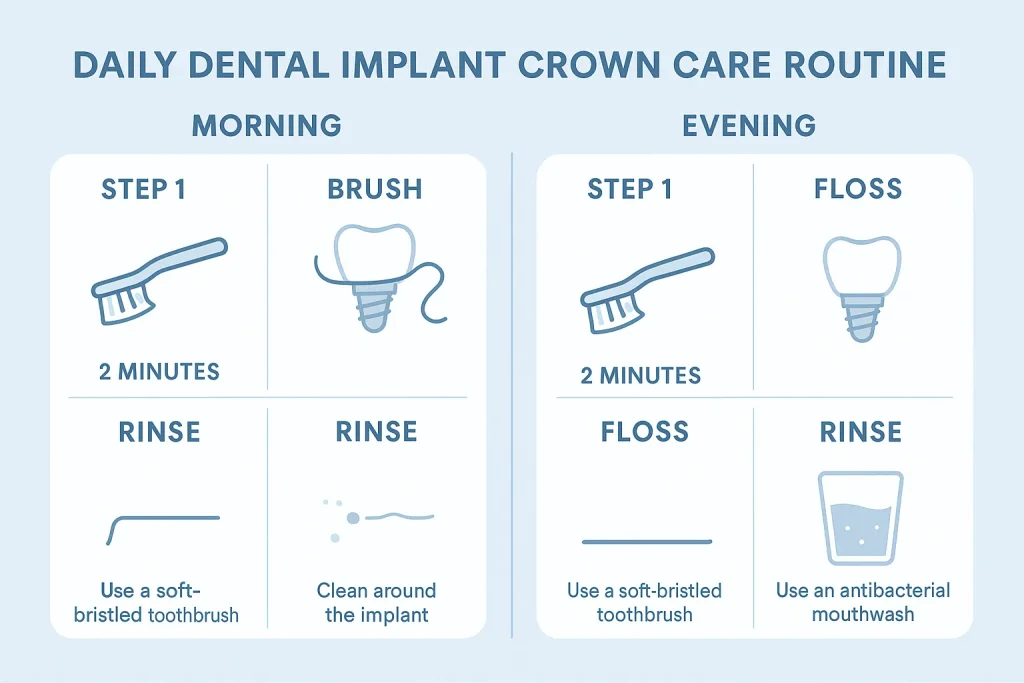
- Maintain a consistent brushing routine: Clean your teeth at least twice a day using a soft-bristled toothbrush. Gentle brushing helps remove plaque around the crown and along the gumline without damaging the restoration.
- Clean between teeth every day: Daily flossing is important to remove food particles and bacteria around the implant area. Some patients also prefer using a water flosser or interdental brush to clean hard-to-reach spaces around the crown.
- Use antibacterial mouth rinse: An antimicrobial mouthwash can help reduce bacteria in the mouth and support gum health, which is essential for the long-term stability of dental implants.
- Schedule regular dental checkups: Visiting your dentist about every six months allows for professional cleaning and monitoring of the implant. Your dentist may also take periodic X-rays to ensure the surrounding bone and tissues remain healthy.
- Be mindful of very hard foods: While implant crowns are designed to be durable, biting on extremely hard items—such as ice or hard kernels—may increase the risk of chipping the crown.
With careful daily hygiene and routine dental care, many implant crowns can remain functional and aesthetically pleasing for many years, and sometimes even decades.
Frequently Asked Questions About Implant Crowns
Does getting an implant crown hurt?
The implant placement procedure is typically performed under local anesthesia, so patients usually feel little to no pain during the treatment. Many people describe the experience as similar to having a tooth extracted. After the procedure, any mild soreness can usually be managed with common pain relief medication and tends to improve within a few days.
How long can an implant crown last?
Dental implants are designed for long-term use and can remain stable for two decades or more with proper care. The crown attached to the implant may experience natural wear over time and might need replacement after about 10–15 years, depending on biting forces and oral hygiene habits.
Who is a suitable candidate for an implant crown?
Most adults with good general and oral health can be candidates for dental implants. However, individuals who smoke heavily, have uncontrolled diabetes, or have experienced significant bone loss in the jaw may require additional evaluation or preparatory treatments before implant placement.
What happens if the crown becomes damaged or loose?
If an implant crown chips, cracks, or loosens, the issue can often be corrected quickly by a dentist. In many cases, especially with screw-retained crowns, the restoration can be removed, repaired, or replaced without affecting the implant itself.
If you are considering a long-term solution for a missing tooth, speaking with your dentist about implant crowns could be the first step toward restoring both confidence and daily comfort when eating and smiling.


