

If you’re dealing with missing teeth or struggling with traditional dentures that slip, cause discomfort, or limit what you can eat, denture implants (also known as implant-supported dentures, snap-in dentures, or overdentures) offer a reliable, long-term solution. This hybrid approach combines the stability of dental implants with the coverage of a denture, restoring function, confidence, and oral health.
What Are Denture Implants?
Denture implants are a modern tooth replacement option that combines dental implants with a custom-made denture. Instead of resting directly on the gums like traditional dentures, this system is anchored to small titanium posts surgically inserted into the jawbone. These posts function as artificial tooth roots and gradually bond with the bone in a biological process known as osseointegration, creating a stable base for the replacement teeth.
Because the denture connects securely to the implants — usually supported by two to six implants per arch, depending on the treatment plan — it stays firmly in place while eating, speaking, and smiling. This eliminates the need for messy adhesives and significantly reduces slipping or shifting.
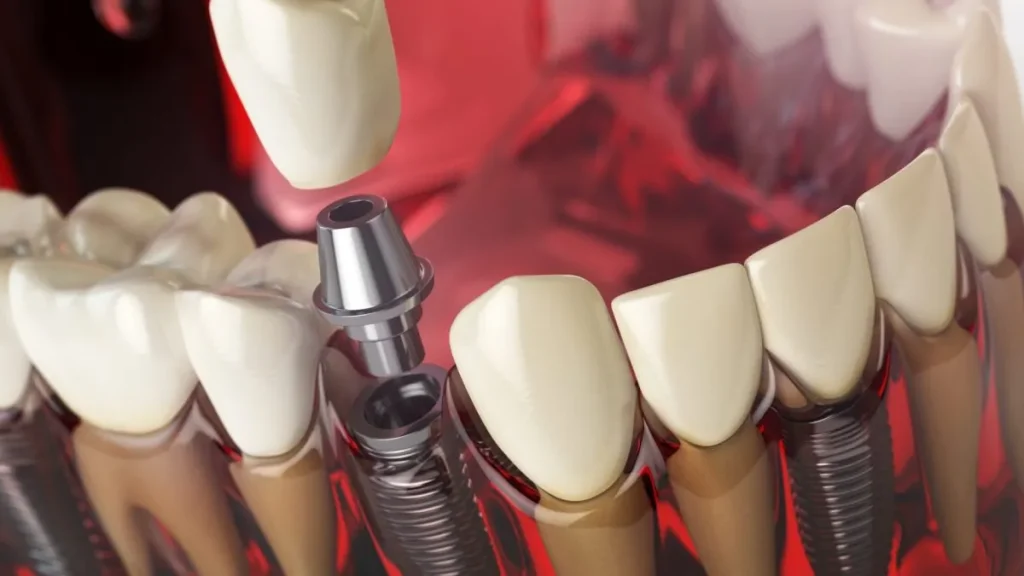
There are two primary options available:
1. Implant-retained dentures (removable overdentures)
These dentures attach to implants using special connectors that allow them to “snap” into place. They remain stable during daily use but can be taken out for cleaning and maintenance.
2. Implant-supported dentures (fixed restorations)
In this option, a full-arch prosthesis is permanently secured to multiple implants. Often used in full-mouth rehabilitation approaches such as All-on-4 or All-on-6, this solution is not removable by the patient and is designed to function similarly to natural teeth.
How Do Denture Implants Work?
Getting denture implants is a structured process that takes place over several stages to ensure long-term stability and comfort.
1. Initial assessment and treatment planning
Your dentist begins with a detailed examination, which may include X-rays or 3D scans to evaluate bone density and overall oral health. If the jawbone is not thick or strong enough to support implants, procedures such as bone grafting may be recommended before moving forward.
2. Surgical placement of implants
Small titanium implant posts are carefully inserted into the jawbone. This procedure is typically performed under local anesthesia to minimize discomfort. The implants act as artificial roots that will later support the denture.
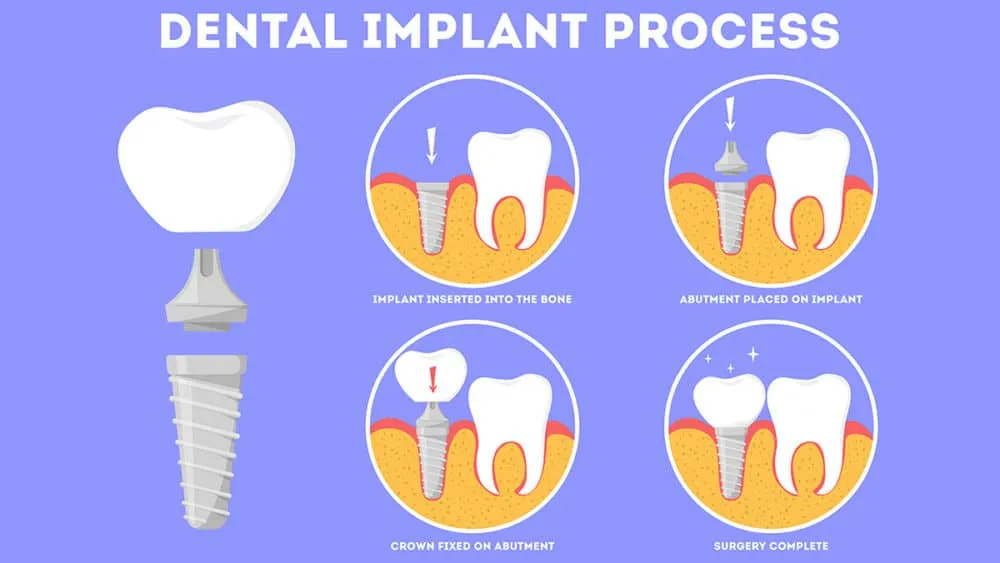
3. Healing and bone integration
Over the next few months — usually between three and six — the jawbone naturally bonds with the implant surface in a process called osseointegration. This step is critical because it creates the solid foundation needed to support chewing forces.
4. Securing the custom denture
Once healing is complete, a custom-designed denture is attached to the implants using specialized connectors such as locator attachments, ball attachments, or a bar system. The type of attachment depends on whether the denture is removable or fixed.
After the final placement, the denture remains stable during everyday activities, allowing you to eat, speak, and smile without worrying about shifting or slipping.
Why Choose Denture Implants Instead of Traditional Dentures?
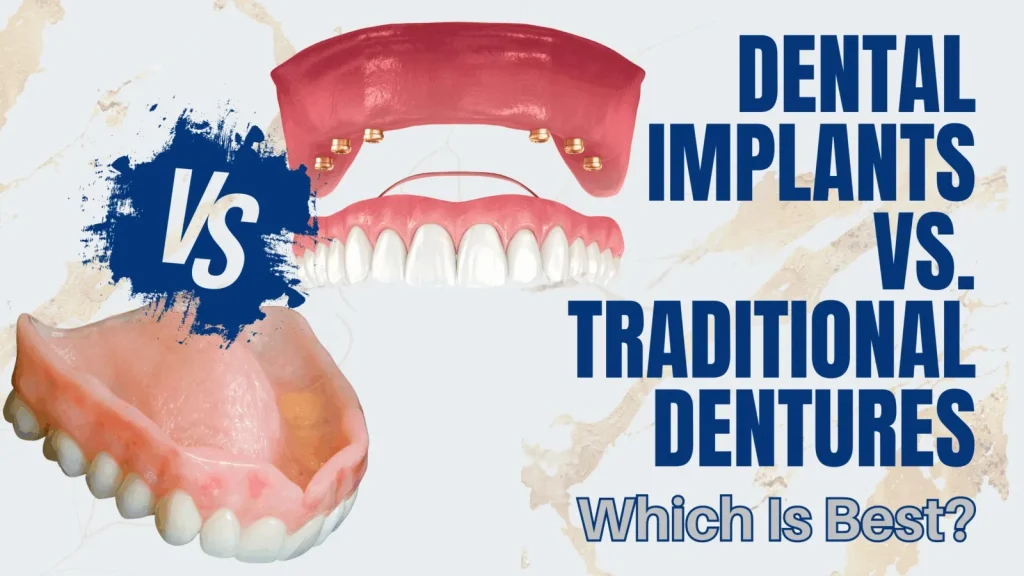
For many patients, conventional dentures come with ongoing frustrations — movement while speaking, difficulty chewing certain foods, and gradual changes in facial structure. Implant-supported dentures are designed to solve these common issues by providing a more stable and functional alternative.
Greater Stability
Because the denture is anchored to implants embedded in the jawbone, it remains firmly in place. There’s no need for denture adhesives, and users don’t have to worry about slipping, shifting, or clicking sounds during conversation.
Stronger Biting and Chewing Ability
Implants create a solid foundation that significantly increases bite strength compared to removable dentures that rest on the gums. This improved support allows many patients to comfortably eat firmer foods — including meats, crisp fruits, and raw vegetables — that might otherwise be difficult.
Protection Against Bone Loss
When teeth are missing, the jawbone gradually shrinks due to lack of stimulation. Dental implants function like natural tooth roots, helping maintain bone density and facial structure. In contrast, traditional dentures do not prevent bone resorption, which over time can contribute to a sunken facial appearance.
Improved Comfort and Confidence
With reduced gum irritation and a more secure fit, implant-supported dentures often feel more natural. Patients frequently report clearer speech, fewer sore spots, and greater confidence in social and professional settings.
Better Overall Well-Being
The ability to eat a wider variety of foods can support improved nutrition and general health. Many individuals also describe a noticeable boost in quality of life after switching to implant-based solutions.
Who May Be Suitable for Denture Implants?
Denture implants are not the right solution for everyone, but many adults with significant tooth loss may benefit from this treatment. You might be a strong candidate if you:
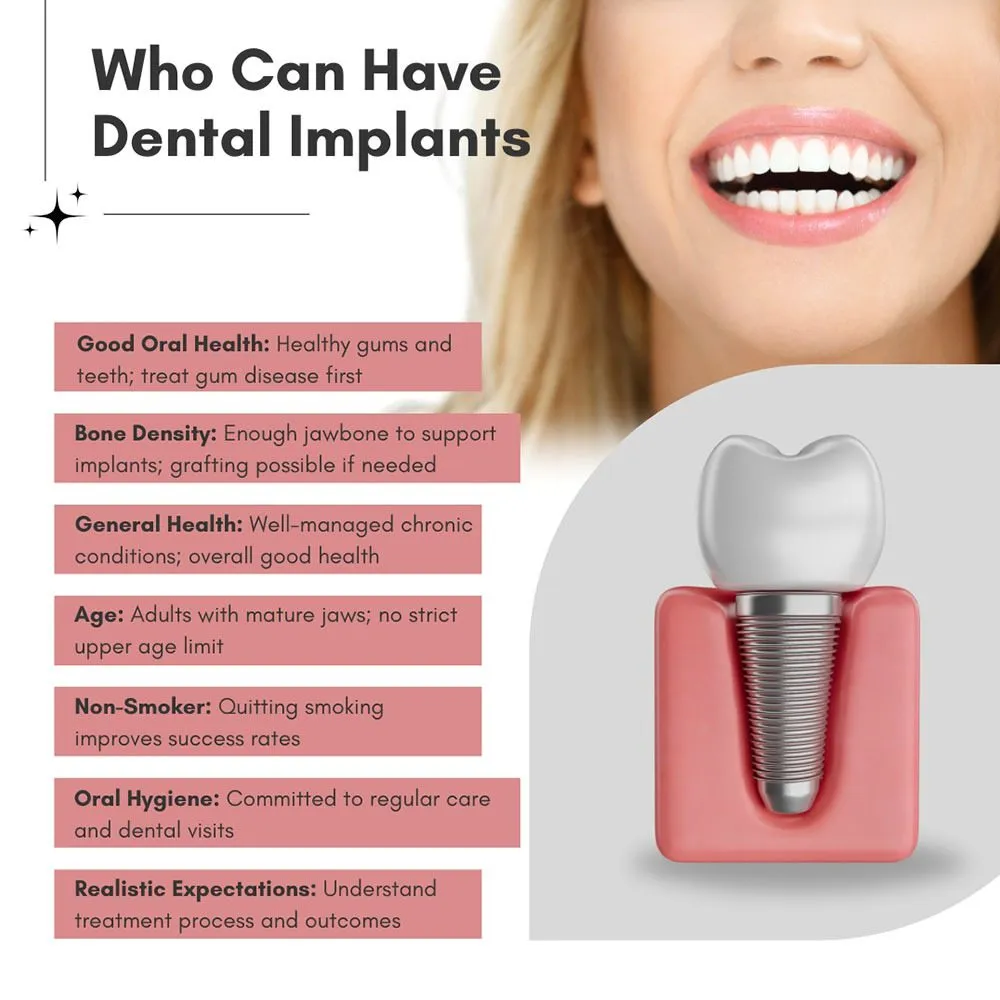
- Are missing most or all teeth in the upper jaw, lower jaw, or both.
- Feel frustrated with loose or uncomfortable traditional dentures.
- Have adequate jawbone volume to support implants — or are willing to undergo procedures such as bone grafting if needed.
- Are in generally good health and able to heal properly after minor oral surgery. (Certain medical conditions, such as poorly controlled diabetes, may require additional evaluation.)
- Prefer a long-term option that feels more secure and closer to natural teeth.
The only way to know for sure is through a comprehensive dental assessment. A qualified dentist or prosthodontist will review your medical history, examine your oral health, and use imaging technology to determine whether implant-supported dentures are a safe and appropriate choice for you.
Possible Limitations and Important Considerations
Although denture implants offer significant advantages, they also come with factors that patients should carefully evaluate before making a decision.
Higher upfront investment
Because the procedure involves surgical placement of implants and custom-designed restorations, the initial cost is typically greater than that of traditional removable dentures.
Surgical treatment and healing period
Implant placement is a minor surgical procedure. As with any surgery, there is a recovery phase, and treatment may take several months to complete due to the healing process required for the implants to integrate with the jawbone.
Ongoing care requirements
While implant-supported dentures are stable, they are not maintenance-free. Regular dental checkups, professional cleanings, and occasional adjustments help ensure long-term success.
Potential risks
Complications such as infection, implant loosening, or implant failure can occur, although these situations are uncommon when treatment is properly planned and patients maintain good oral hygiene.
Before proceeding, it’s essential to consult with a qualified dental professional who can assess your health, explain the benefits and risks, and help you decide whether this option aligns with your expectations and needs.
How to Care for Denture Implants
Keeping denture implants in good condition does not require complicated routines, but consistent daily care is essential for long-term success.
Clean your denture thoroughly each day
Use a soft-bristled brush along with a gentle, non-abrasive cleanser to remove food particles and plaque. Avoid harsh toothpaste that may scratch the surface.
Maintain hygiene around the implant areas
Even though implants are artificial, the surrounding gum tissue must stay healthy. A soft toothbrush, interdental brush, or water flosser can help clean around attachment points and under the denture.
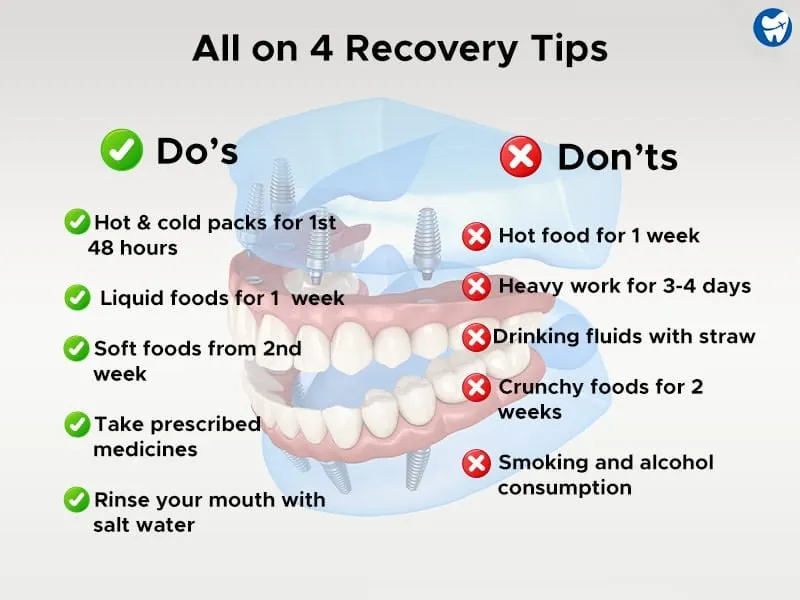
Remove removable dentures overnight
If you have a snap-in or overdenture design, take it out before bed. Soaking it in a recommended cleaning solution allows the appliance to stay fresh and gives your gums time to rest.
Visit your dentist regularly
Routine check-ups and professional cleanings help detect early signs of irritation, attachment wear, or other issues. Preventive care greatly improves long-term outcomes.
With proper oral hygiene and regular maintenance, implant-supported dentures can function effectively for a decade or more. In many cases, the implants themselves may last significantly longer than traditional removable dentures, making them a durable long-term solution.
Denture implants represent a significant upgrade for anyone tired of the limitations of traditional dentures. They restore not just teeth, but function, comfort, and confidence—often transforming daily life. If you’re exploring tooth replacement options, consult a dental professional for personalized advice based on your oral health.


