

If you’re considering dental implants to replace missing teeth, one of the most common questions is: “Dental implants is it painful?” The short answer is No — The procedure itself is typically not painful thanks to modern anesthesia, and post-operative discomfort is usually mild and manageable for most patients. Get the facts on recovery and pain management.
During the Dental Implant Procedure: Virtually Pain-Free
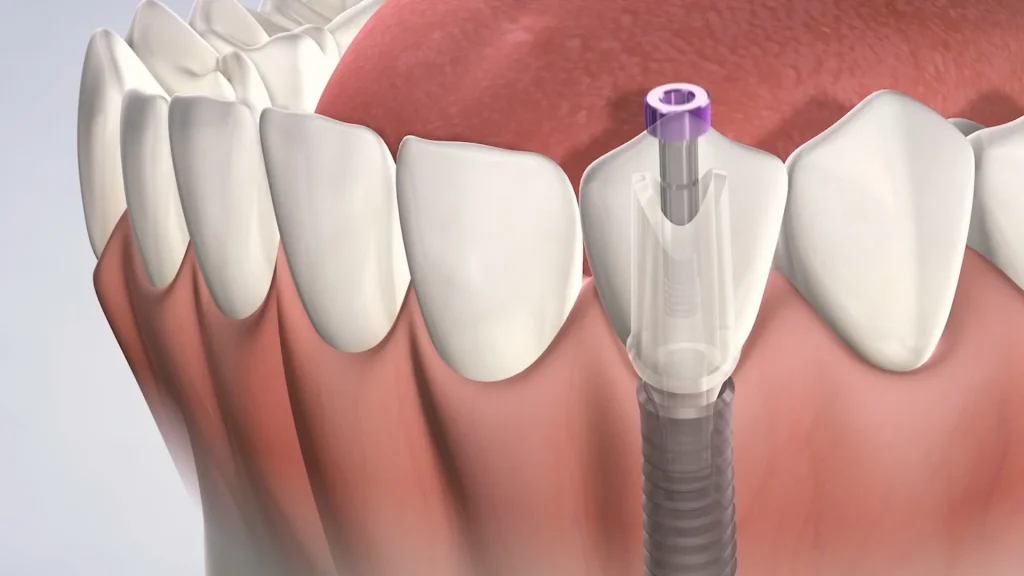
Dental implant treatment involves placing a small titanium fixture into the jawbone to function as an artificial tooth root. Although the idea of surgery may sound intimidating, most patients are surprised by how comfortable the procedure actually is.
Local Anesthesia Keeps the Area Numb
Before the implant is placed, the dentist administers local anesthesia to fully numb the treatment area. This prevents pain during the procedure. Patients may notice sensations such as pressure, movement, or mild vibrations from the instruments, but sharp pain is not expected.
Sedation Options for Additional Comfort
For individuals who feel nervous about dental procedures, sedation techniques are often available. Depending on the clinic and the patient’s needs, options may include oral medication, intravenous sedation, or nitrous oxide (commonly known as laughing gas). These methods help patients remain calm and relaxed throughout the treatment, and some people remember very little of the procedure afterward.
Level of pain after dental implant surgery
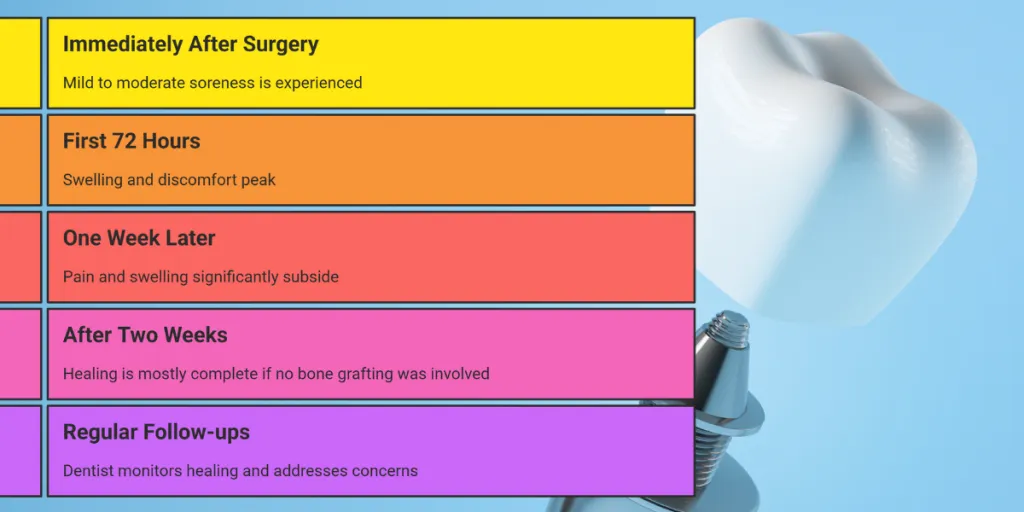
Once the numbness from local anesthesia fades — usually within a few hours after the procedure — it’s normal to feel some mild discomfort as the body begins the healing process. This happens because the gums and underlying bone have undergone a small surgical intervention.
The First Few Days
Most patients notice the greatest sensitivity during the first one to three days after surgery. The sensation is commonly described as mild soreness, tenderness, or a feeling of pressure around the implant site rather than severe pain. On a typical pain scale from 1 to 10, many people report discomfort levels around 2 to 4 at their peak, which is similar to the feeling after a routine tooth extraction or minor oral procedure.
Healing Progress Over Time
As healing continues, symptoms generally improve quickly. By around day four to seven, most patients notice that discomfort has reduced significantly and may be barely noticeable. Soft tissues such as the gums usually recover within one to two weeks, while the deeper process of bone bonding with the implant — called osseointegration — takes several months but typically occurs without ongoing pain.
Other Temporary Symptoms
Along with mild soreness, some short-term effects can occur as part of normal healing:
- Swelling, which often reaches its peak within the first two to three days (cold compresses can help reduce it)
- Minor bruising or light bleeding near the surgical area
- Temporary sensitivity when chewing, especially close to the implant site
For most people, these symptoms are manageable and gradually resolve as healing progresses. Dentists usually provide aftercare instructions and recommend pain relievers if needed to keep recovery comfortable.
Factors affecting the level of pain after dental implant placement
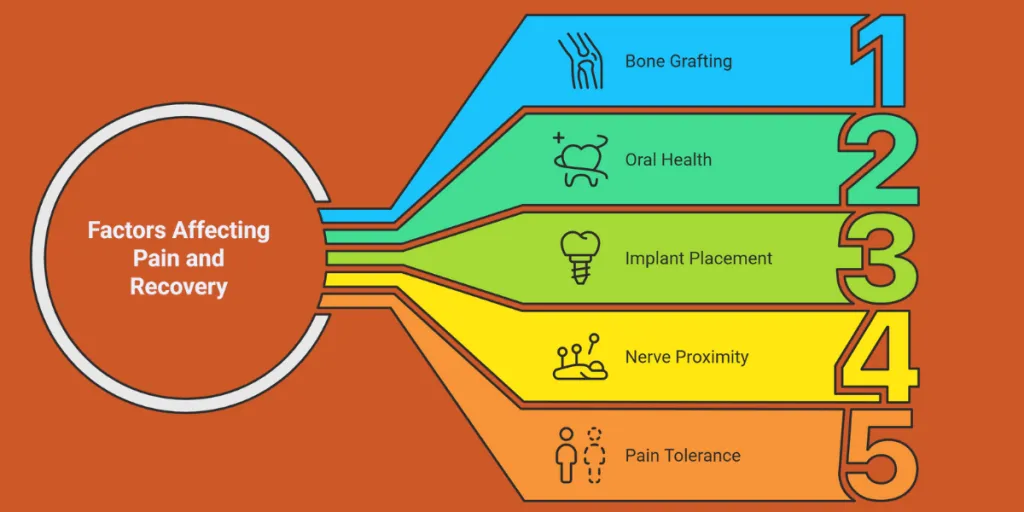
The level of discomfort experienced after implant placement can differ from one patient to another. Several factors may influence how noticeable the recovery symptoms are.
Number of Implants Placed
Procedures involving a single implant are usually associated with less soreness than treatments where multiple implants or a full-arch restoration is performed. Larger procedures naturally involve more tissue healing.
Additional Procedures Such as Bone Grafting
If the jawbone requires reinforcement before implant placement, a bone graft may be recommended. While this step improves long-term stability, it can slightly extend recovery time and may add some temporary tenderness during healing.
Personal Health and Lifestyle Factors
Individual healing responses vary. Overall health, natural pain sensitivity, and habits such as smoking can affect recovery. Smoking, in particular, may slow the healing process and increase the likelihood of complications.
Surgical Technique and Provider Experience
The skill and approach of the dental professional also play an important role. Experienced implant dentists or oral surgeons who use precise, minimally invasive techniques often help reduce tissue trauma and support a smoother recovery period.
Because every patient’s situation is unique, discussing your health history and treatment plan with a qualified provider will give the most accurate expectation for comfort and healing.
How to Manage and Reduce Discomfort Dental Implants
Following proper aftercare instructions can make recovery much easier after implant placement. Dentists typically provide guidance to help control swelling, reduce soreness, and support healthy healing.
Use Pain Relief as Recommended
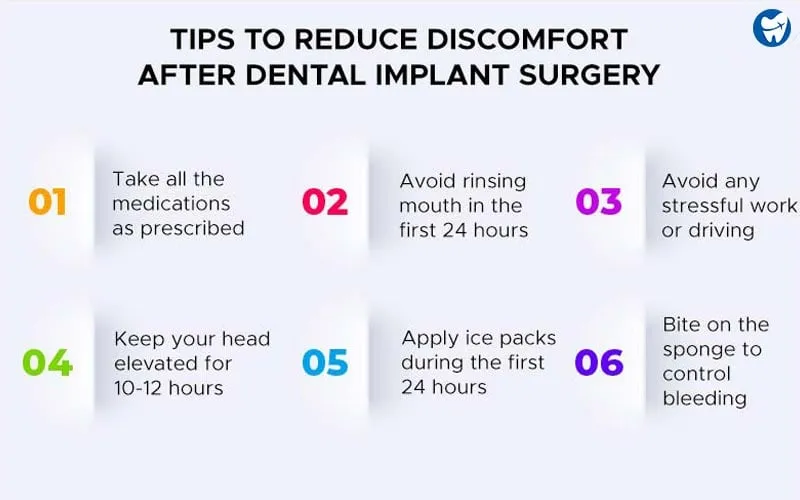
Your dentist may suggest prescription medication or common anti-inflammatory options such as ibuprofen or acetaminophen. When taken as directed, these medications help manage tenderness and reduce inflammation around the surgical area.
Apply Cold Compresses
Placing an ice pack on the outside of the cheek near the treatment area can help control swelling. Short intervals of about 15–20 minutes at a time during the first two days are often effective.
Choose Soft, Gentle Foods
During the early healing period, softer foods are usually more comfortable to eat. Avoid very hot, spicy, or crunchy items that could irritate the area. Maintaining gentle oral hygiene is also important to keep the site clean.
Rest and Avoid Intense Activity
Allow your body time to recover by taking it easy for the first day or two. Keeping your head slightly elevated while resting or sleeping may also help limit swelling.
Saltwater Rinses for Clean Healing
Beginning the day after surgery, rinsing with warm saltwater can help keep the area clean and soothe irritated tissues. This simple step is commonly recommended to support healing.
When these basic care steps are followed, many patients feel comfortable returning to normal daily routines within one to two days after the procedure.
When Pain Might Signal a Problem
Some tenderness after dental implant surgery is normal, especially during the first few days of healing. However, certain symptoms may signal that the area needs professional attention. If you experience any of the following signs, it’s important to contact your dentist or oral surgeon promptly.
Increasing or Severe Pain
Discomfort should gradually improve as healing progresses. If pain becomes stronger instead of better after several days, it may indicate inflammation or another issue that requires evaluation.
Signs of Possible Infection
Symptoms such as ongoing swelling, the presence of pus, fever, or an unpleasant taste in the mouth could suggest an infection around the implant site and should be checked by a dental professional.
Implant Instability or Pain When Biting
Once healing is underway, the implant should feel stable. If it seems loose or causes persistent pain during chewing, your dentist should examine the area to determine the cause.
Unusual Nerve-Related Sensations
Persistent numbness, tingling, or sharp shooting pain in the lips, chin, or surrounding tissues is uncommon but may indicate nerve irritation and should be assessed promptly.
Although these complications are rare when implants are carefully planned and placed, early diagnosis and treatment help prevent more serious problems and support successful long-term results.
If anxiety about the procedure is holding you back, it can be helpful to speak with an experienced implant dentist about available comfort options, including sedation methods and personalized treatment planning. Many patients later reflect that the short recovery period was well worth the long-term improvement in their ability to eat, speak, and smile with confidence.


